
industry insights
Quick Share Meets AirDrop: Android and iPhone File Sharing Explained
Google made Quick Share interoperable with AirDrop on the Pixel 10 family, enabling direct Android-iPhone transfers without an internet connection.
Read guideTagged articles
Google made Quick Share interoperable with AirDrop on the Pixel 10 family, enabling direct Android-iPhone transfers without an internet connection.
Read guide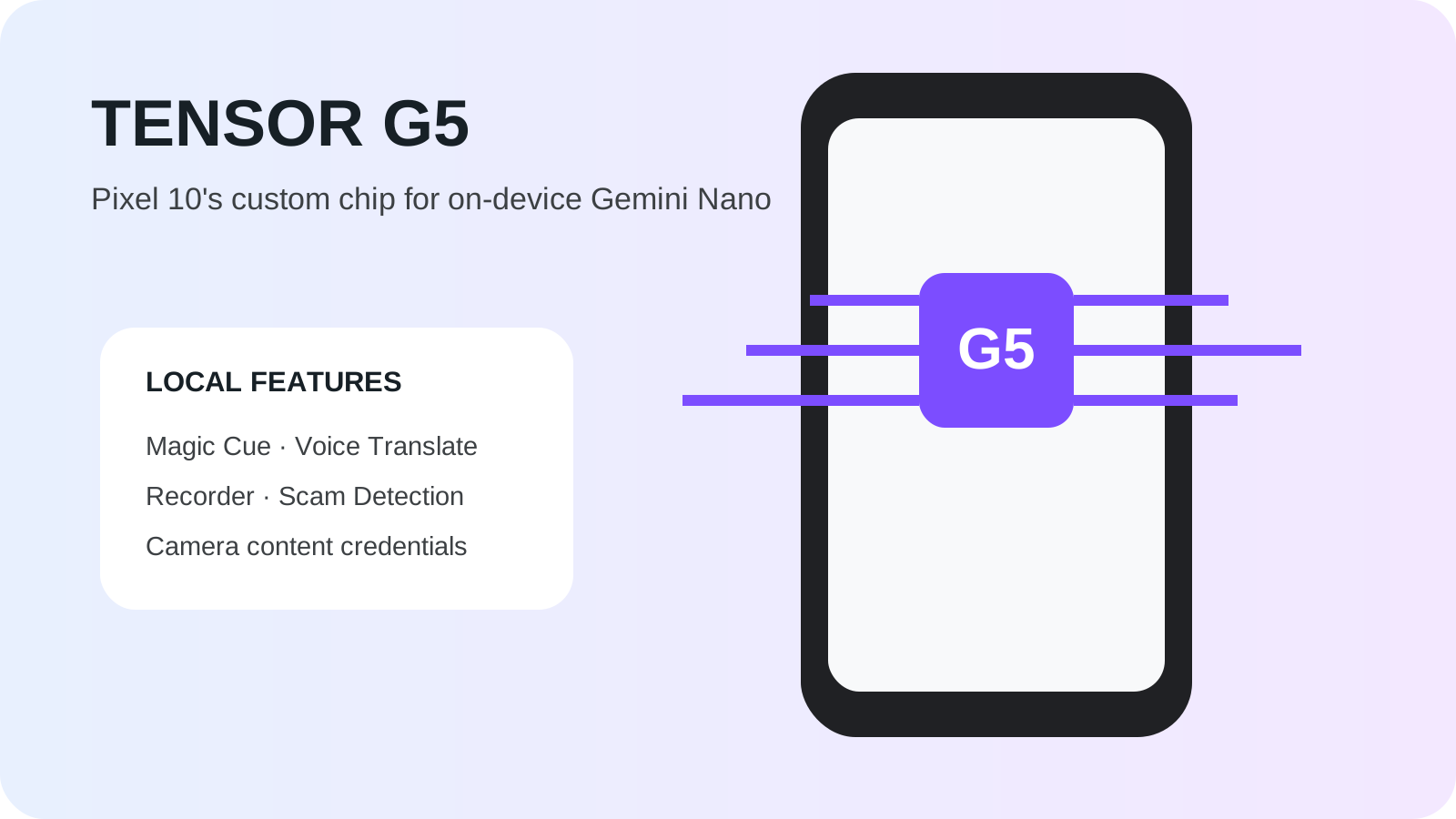
Tensor G5 paired a new mobile chip with Gemini Nano on Pixel 10, powering local translation, contextual help, scam detection and camera provenance.
Read guide
Android 16 introduced glanceable progress notifications, a unified Advanced Protection mode and new desktop-style windowing for compatible large screens.
Read guide
Material 3 Expressive expanded Android's design system with spring motion, responsive shapes, richer color, clearer emphasis and glanceable controls.
Read guide
Android 15 combined a hidden app space with stronger theft defenses, while Google Play services brought automatic and remote locking to older phones.
Read guide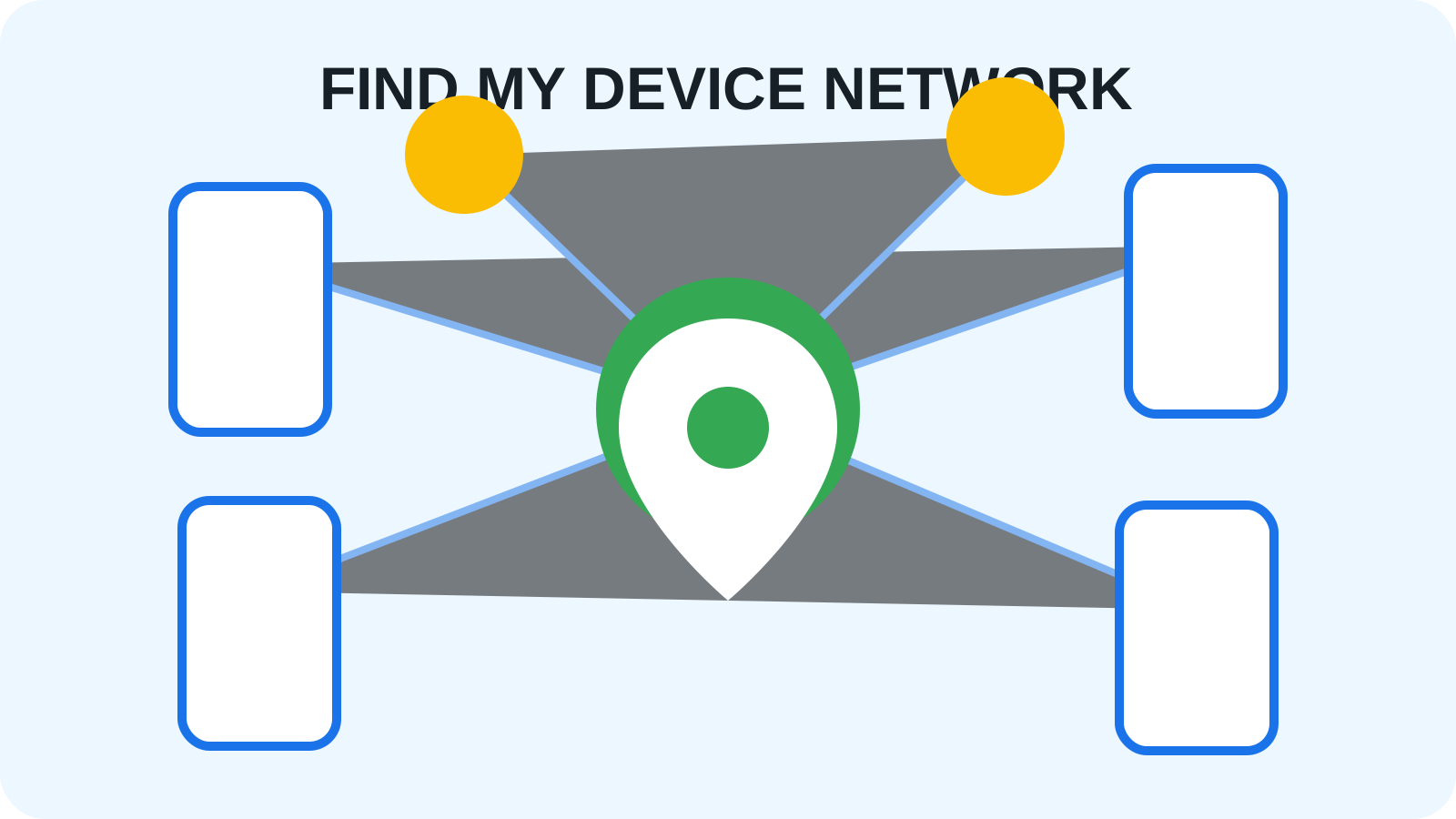
Google's crowdsourced Find My Device network used nearby Android phones, encrypted location reports and anti-stalking safeguards to locate offline items.
Read guide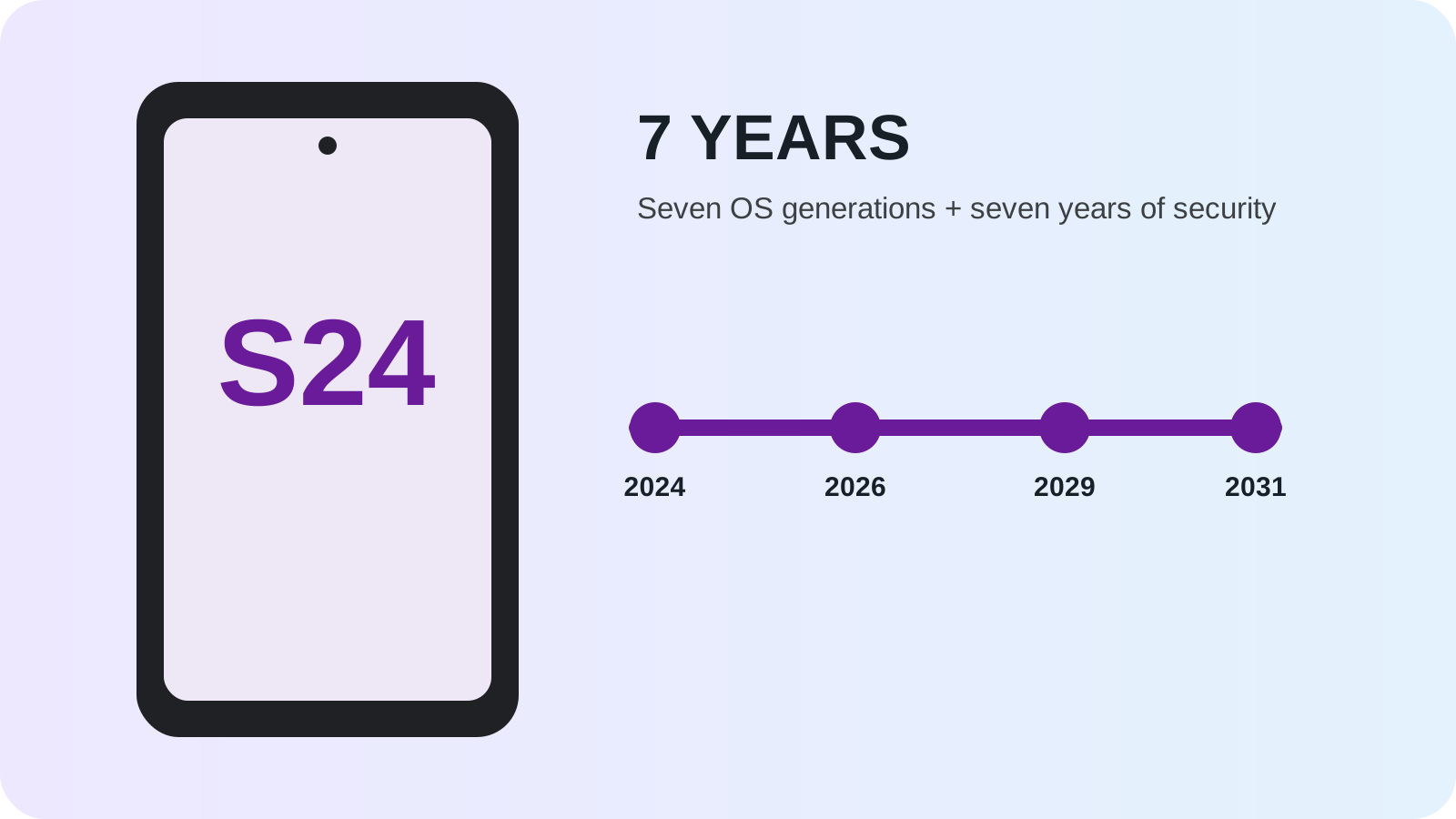
Samsung's Galaxy S24 series promised seven OS generations and seven years of security updates, turning long support into mainstream Android competition.
Read guide
Gemini Nano brought offline summarization and contextual replies to the Pixel 8 Pro, opening a new chapter for private, on-device generative AI.
Read guide
Android 14 added Ultra HDR photos, built-in Health Connect, clearer data-sharing controls and practical accessibility improvements for everyday users.
Read guide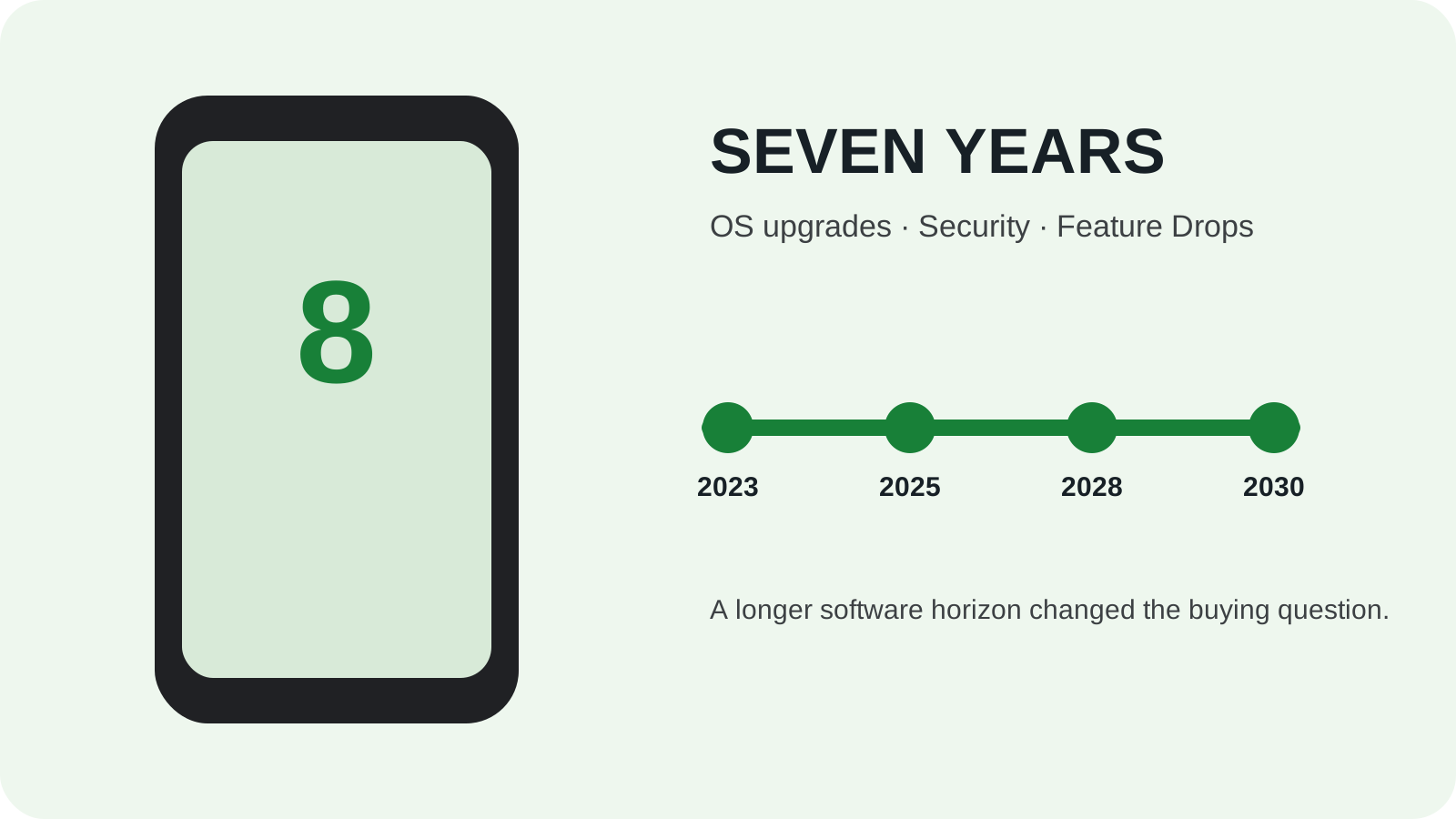
Google promised the Pixel 8 series seven years of Android upgrades, security fixes and Feature Drops, reframing how long a flagship phone could last.
Read guide
Google's first foldable phone paired a tablet-sized inner display with taskbar multitasking, adaptive apps and new two-screen uses for Android.
Read guide
How Android 13 gave people finer control over app languages, notifications and photo access while extending Material You across the phone.
Read guide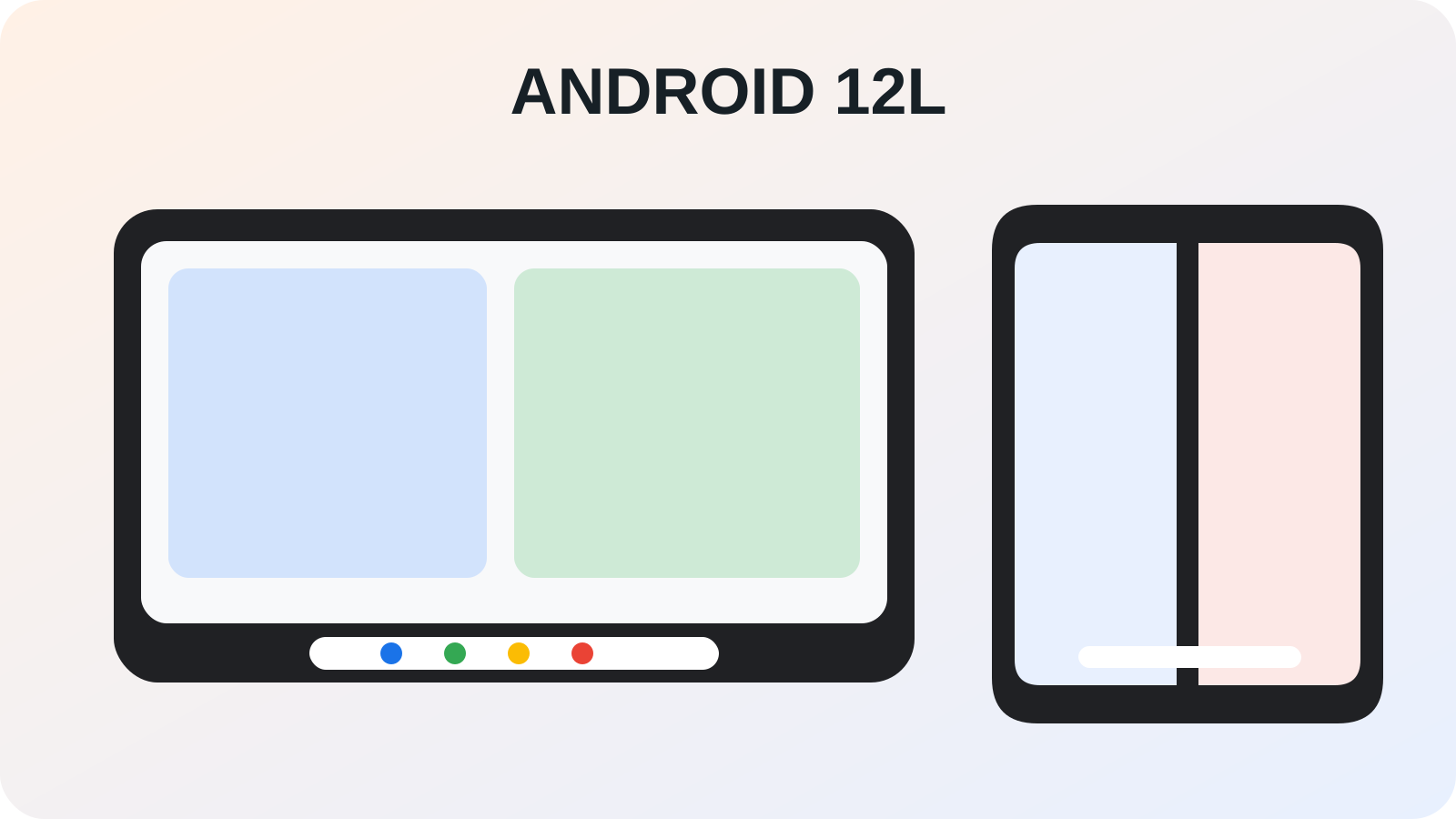
Android 12L introduced large-screen layouts, a taskbar and easier split-screen use, establishing software foundations for tablets and foldable phones.
Read guide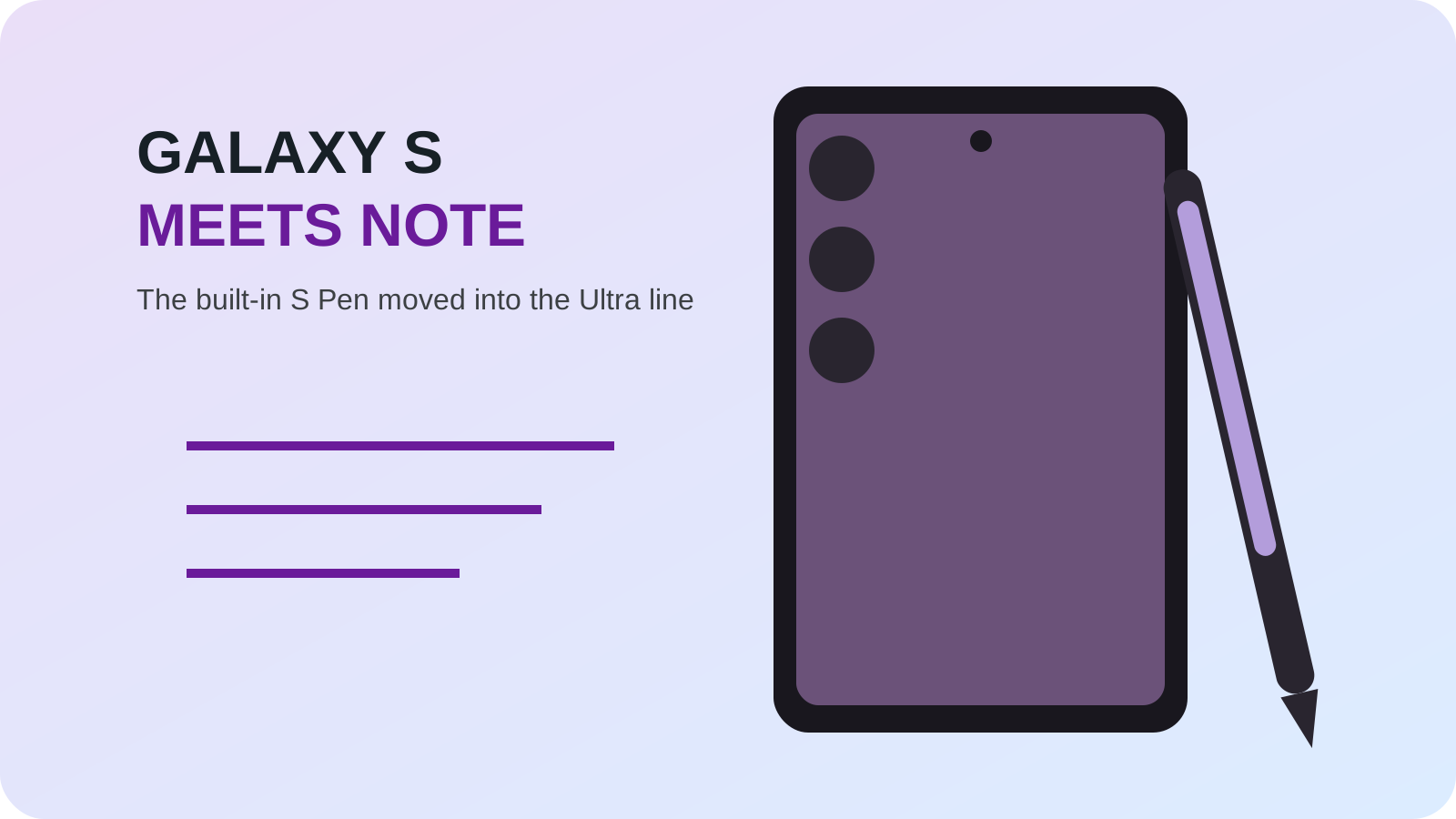
The Galaxy S22 Ultra combined an integrated S Pen and Note-like design with Samsung's S-series flagship, reshaping two long-running phone families.
Read guide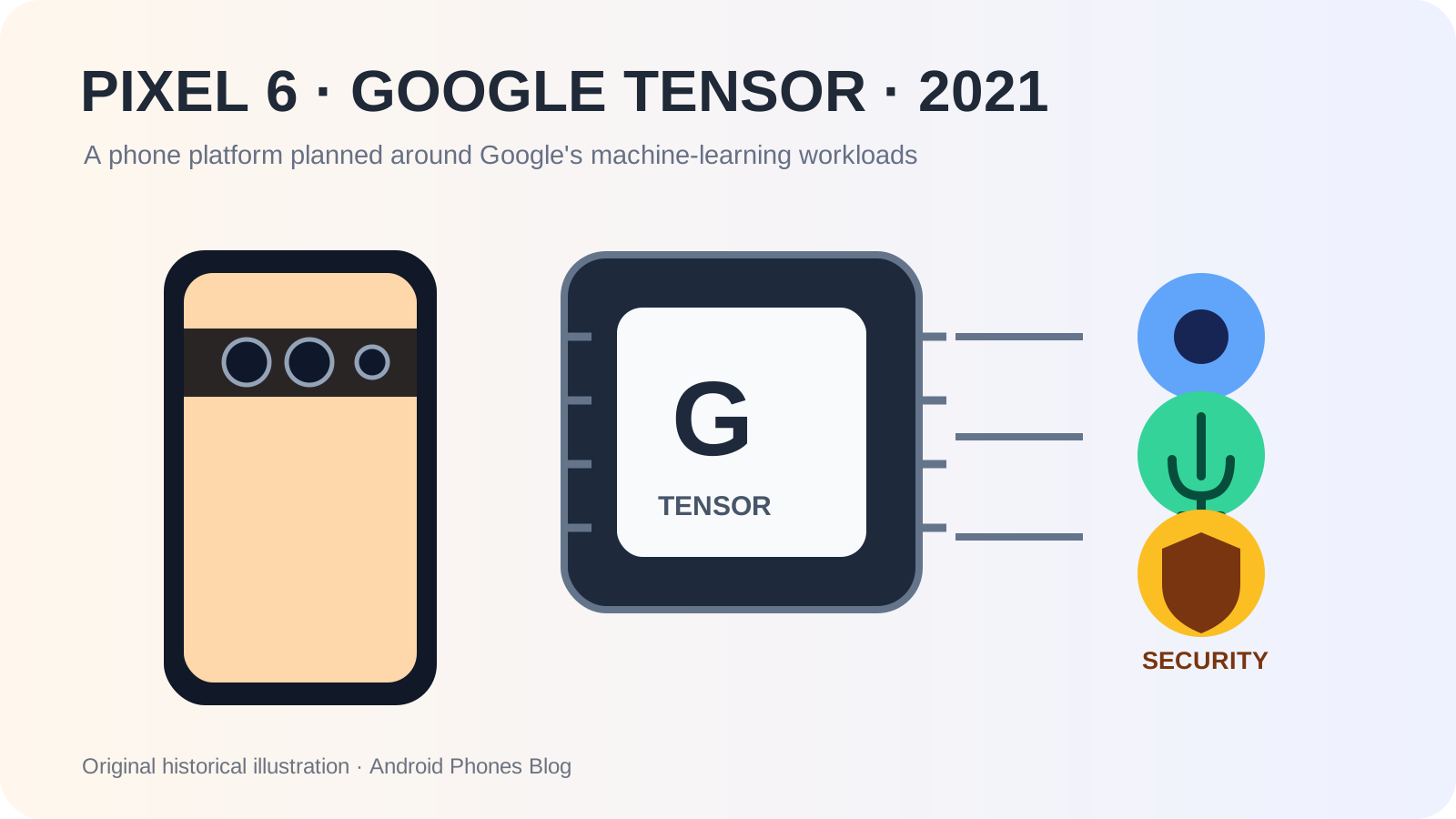
Pixel 6 introduced Google Tensor, a mobile system on a chip designed to connect on-device machine learning with camera, speech and security features.
Read guide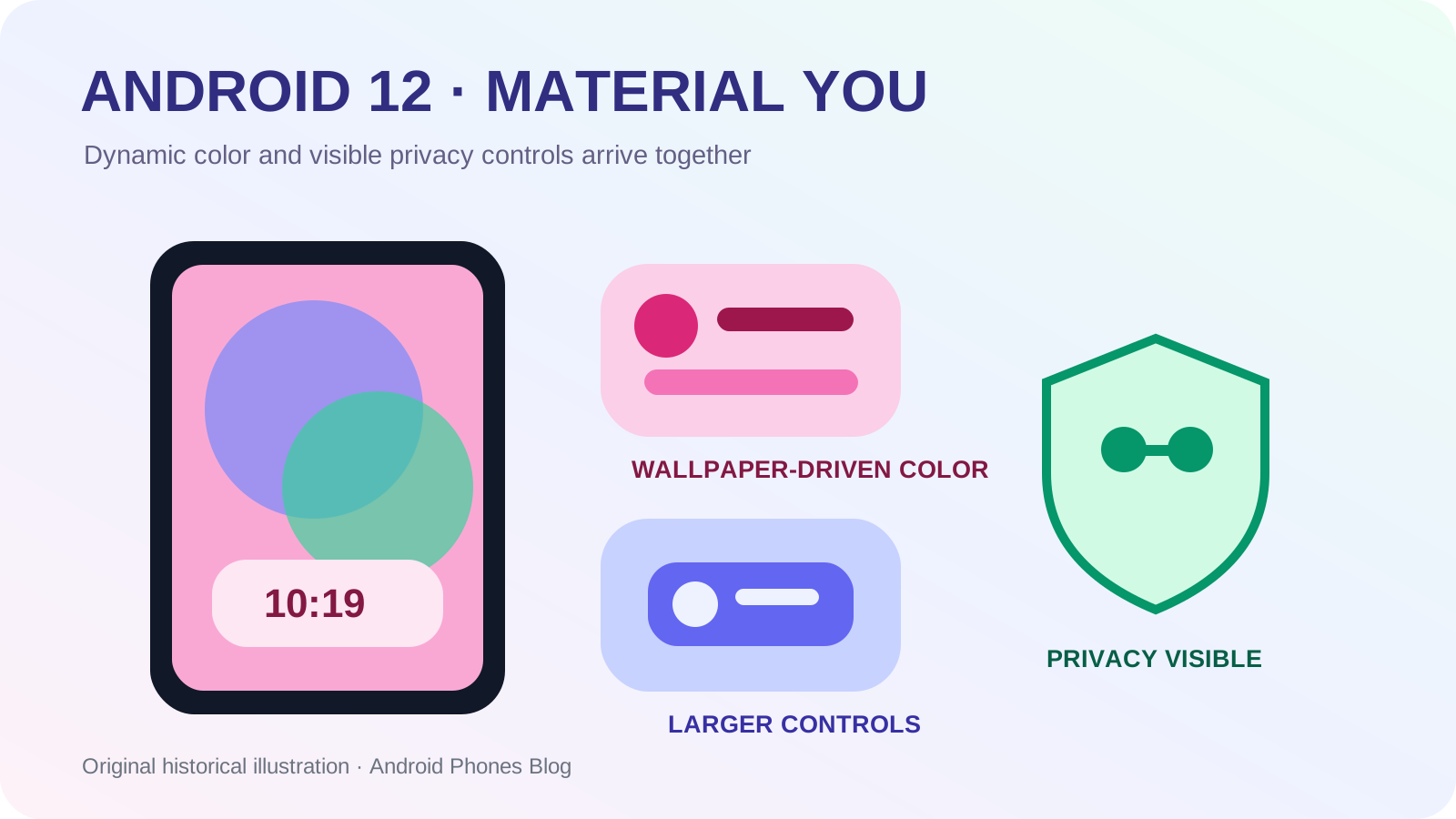
Android 12 introduced Material You dynamic color, redesigned widgets, a privacy dashboard, sensor indicators and approximate location controls.
Read guide
Samsung's third-generation foldables added IPX8 water resistance, stronger display layers and frame materials, plus S Pen support on the Galaxy Z Fold3.
Read guide
Android 11 reorganized messaging notifications, added bubbles and device controls, and introduced one-time permissions and automatic permission reset.
Read guide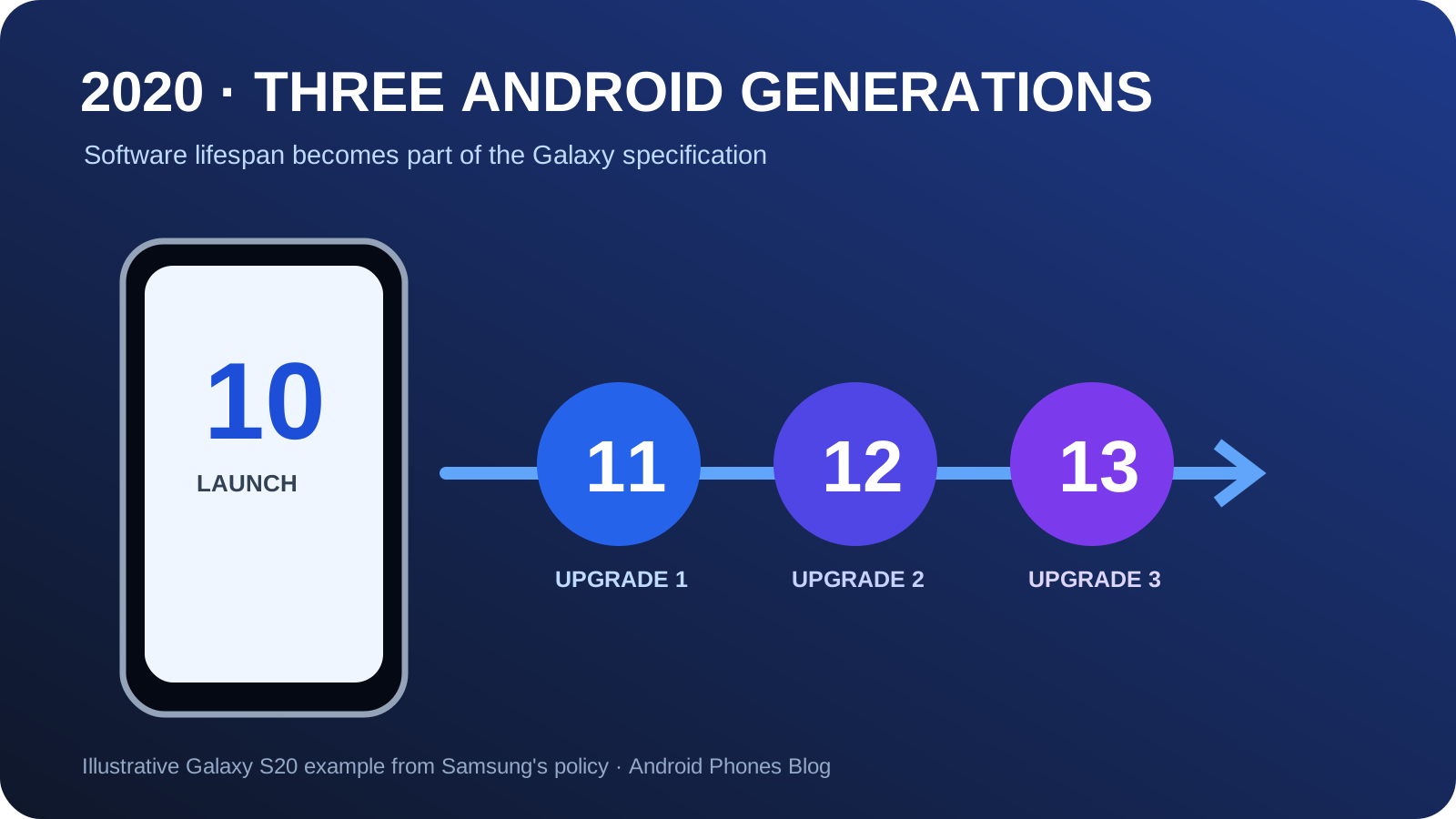
Samsung's August 2020 promise of three Android OS generations for selected Galaxy devices made long-term software support a clearer part of phone value.
Read guide
The 2020 Galaxy Z Flip combined a compact clamshell form, bendable ultra-thin glass, a multi-angle hinge and Flex mode software.
Read guide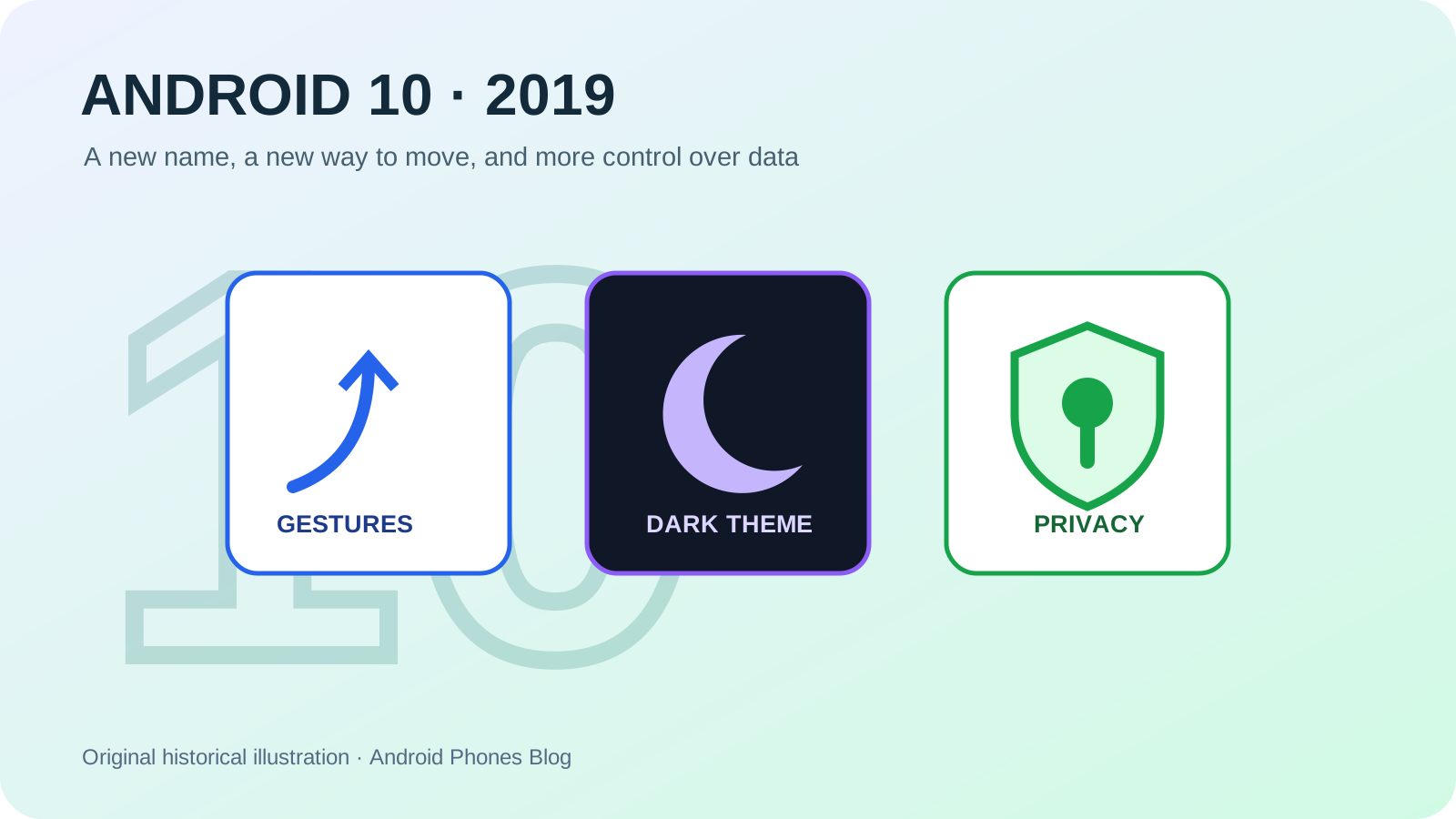
Android 10 brought full gesture navigation, system dark theme, stronger location controls and Google Play system updates while simplifying Android's global name.
Read guide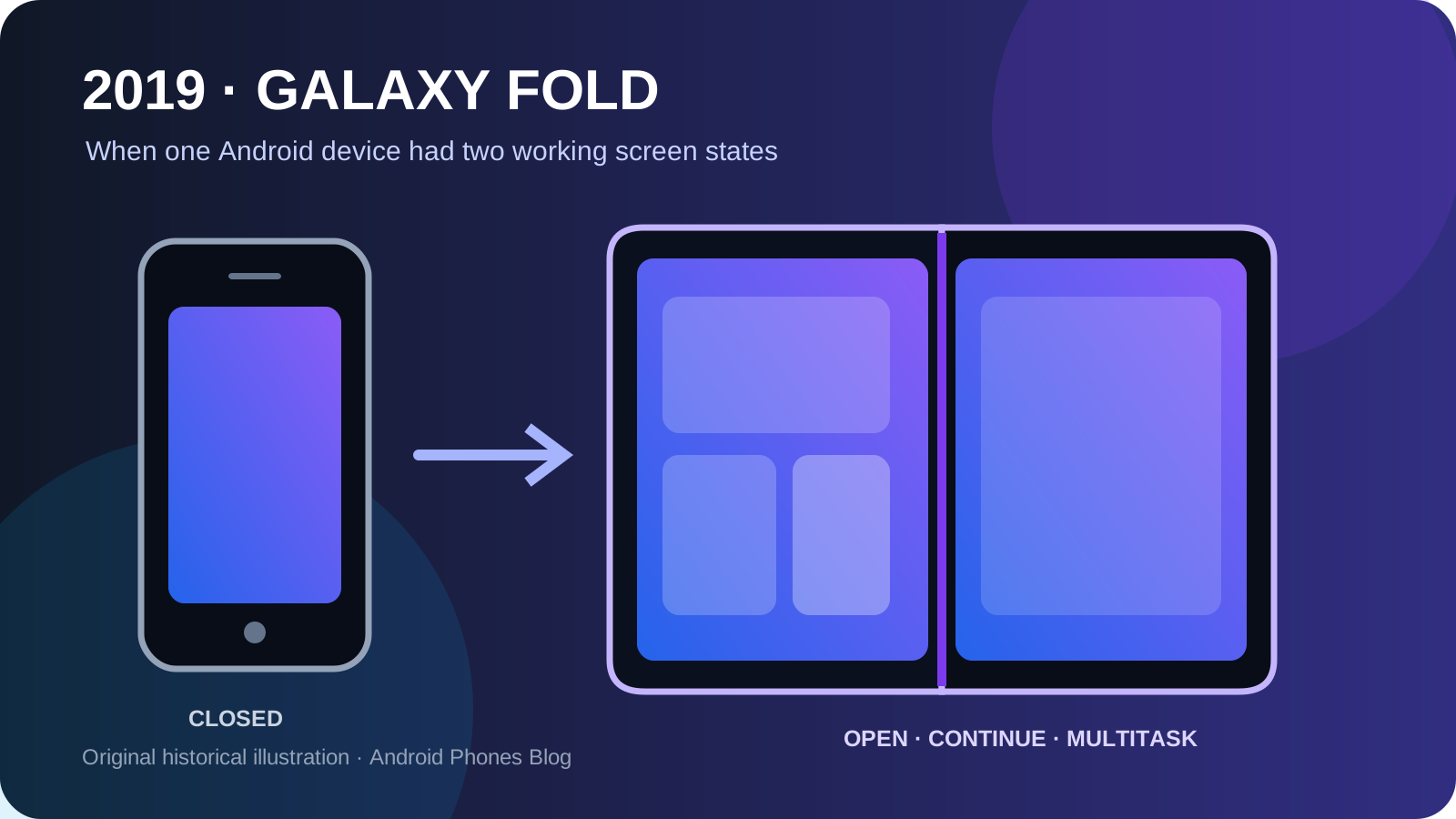
The 2019 Galaxy Fold joined a compact cover screen to a 7.3-inch folding display, making app continuity and large-screen multitasking central to Android phones.
Read guide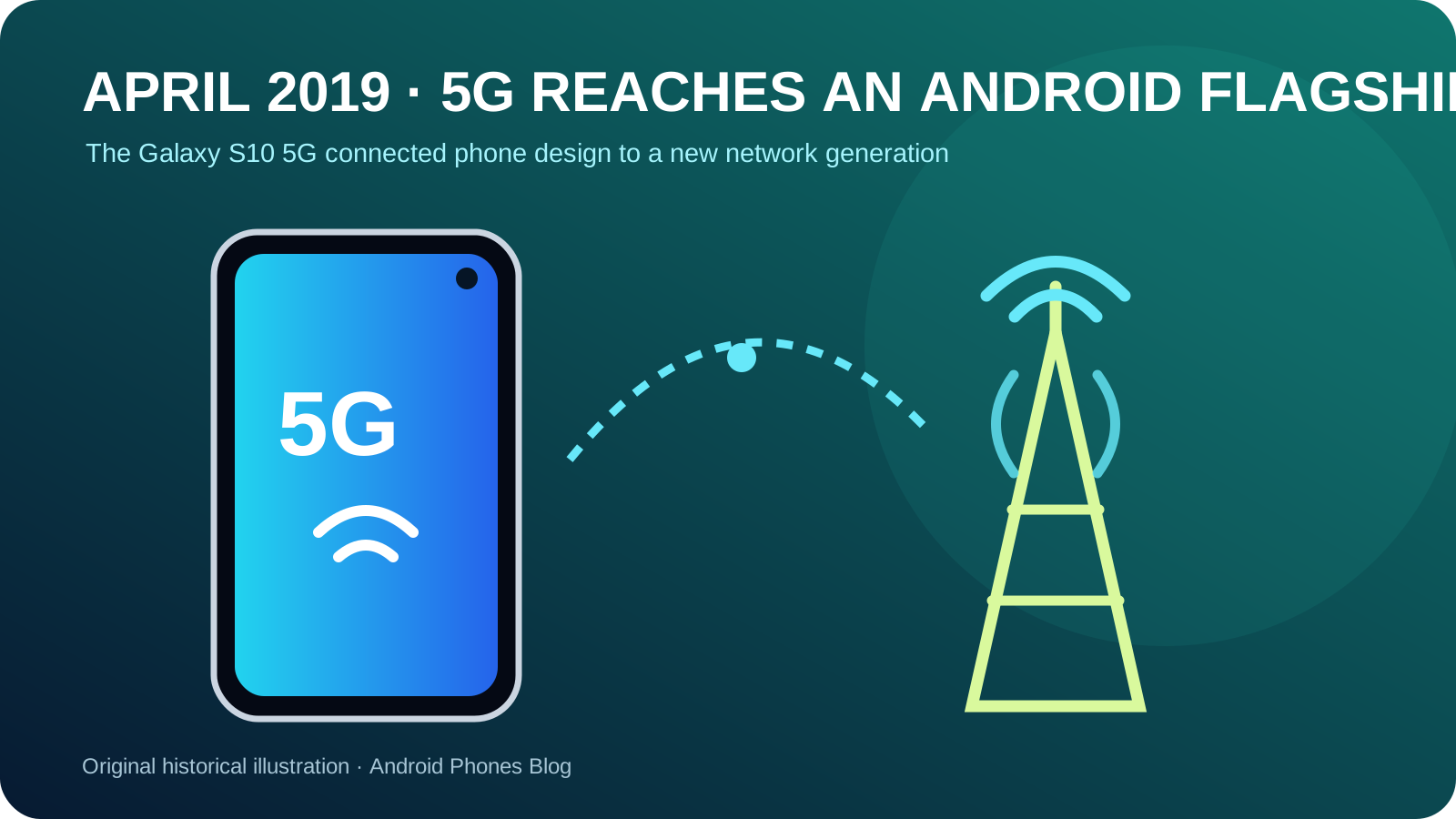
The Galaxy S10 5G reached the South Korean market in April 2019, showing how a new radio generation affected phone hardware, software and expectations.
Read guide
The Galaxy S10, S10+ and S10e went on sale on March 8, 2019 after a February 20 Unpacked reveal. The S10 5G was announced with them but sold later.
Read guide
How Pixel 3 Night Sight combined multiple exposures, motion measurement and machine learning to make handheld low-light phone photography practical.
Read guide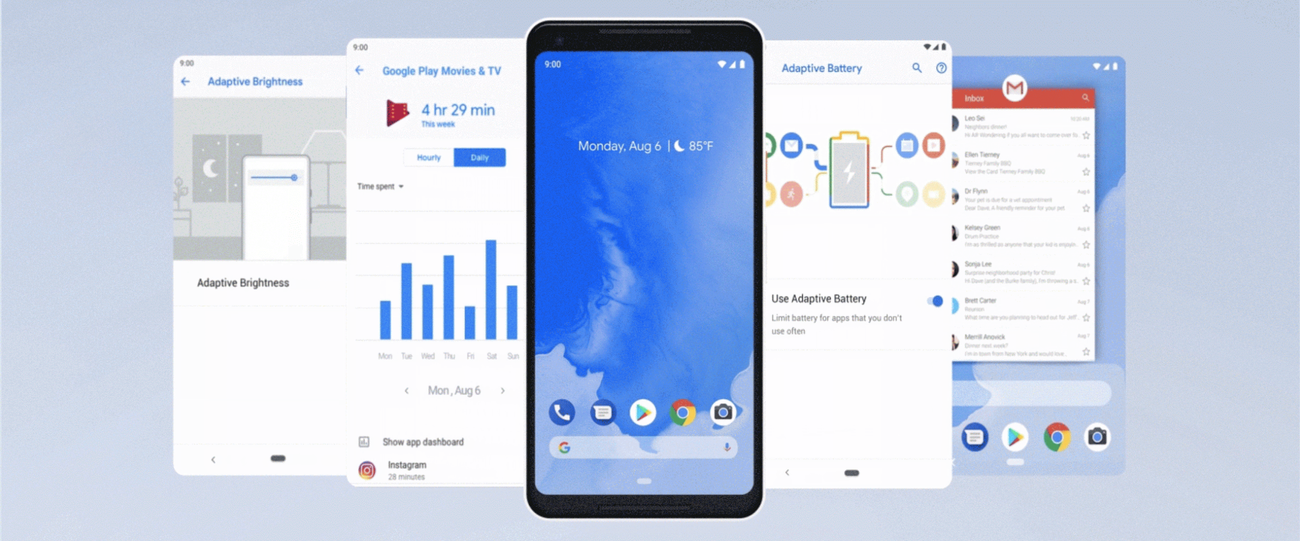
Android 9 Pie introduced adaptive battery and brightness, predictive actions, early gesture navigation and Digital Wellbeing controls.
Read guide
Android Oreo Go edition paired a lighter operating system, optimized Google apps and a tailored Play Store experience for entry-level phones.
Read guide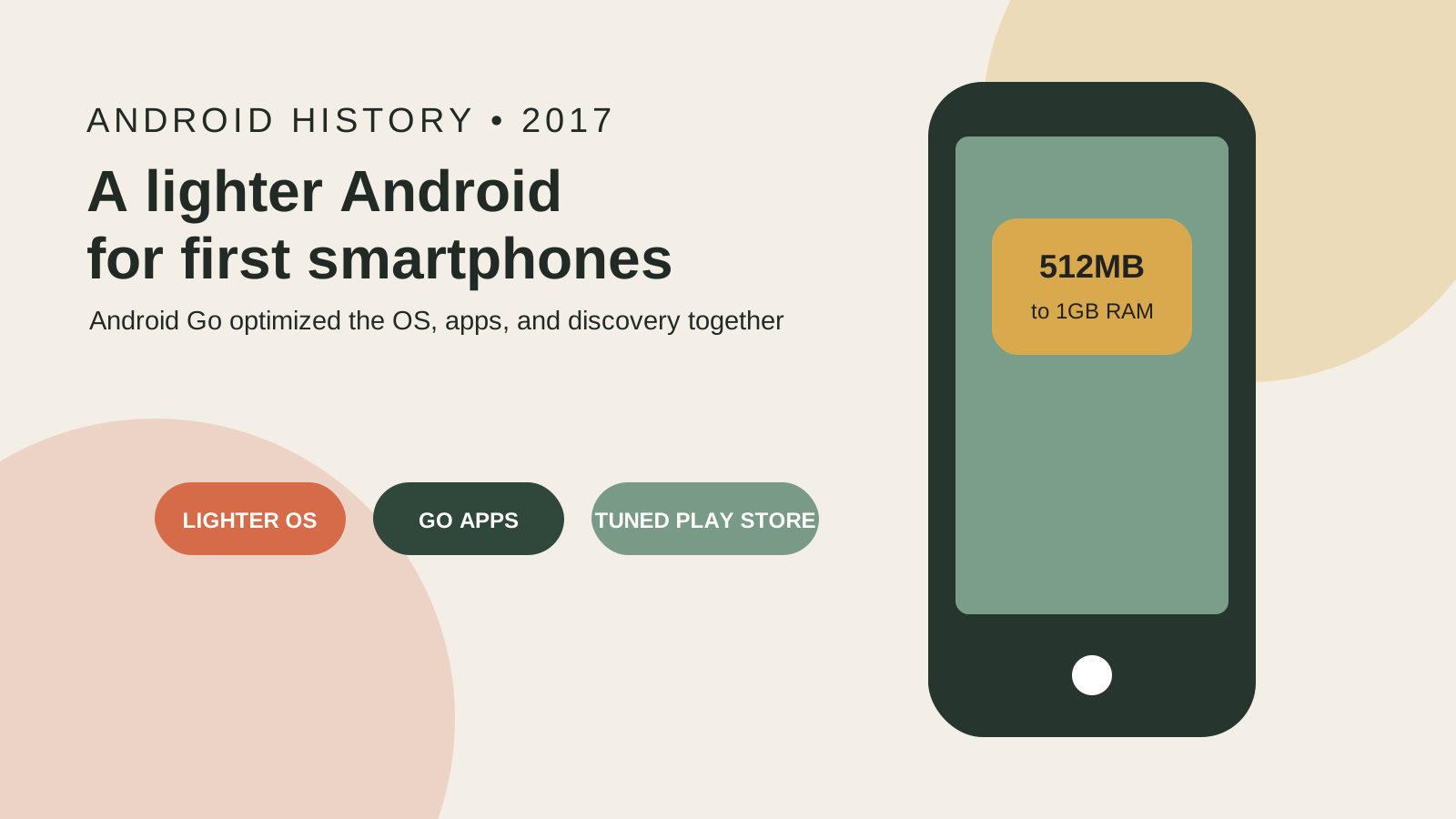
Android Go optimized Android Oreo, Google apps and Play Store discovery for phones with 512MB to 1GB of RAM, aiming to improve first-smartphone access.
Read guide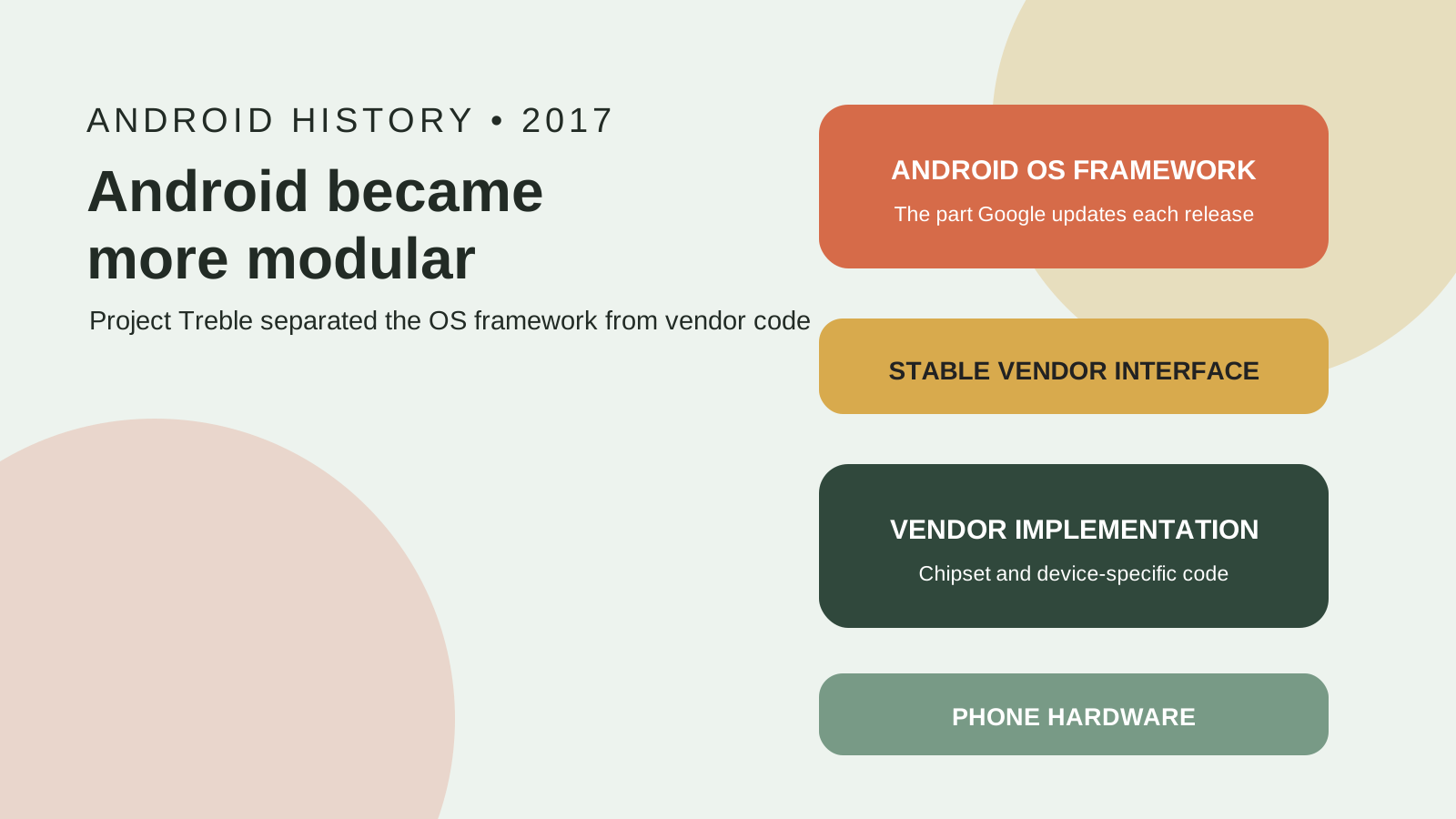
Project Treble separated Android's framework from device-specific vendor code in 2017, making operating-system updates easier without guaranteeing them.
Read guide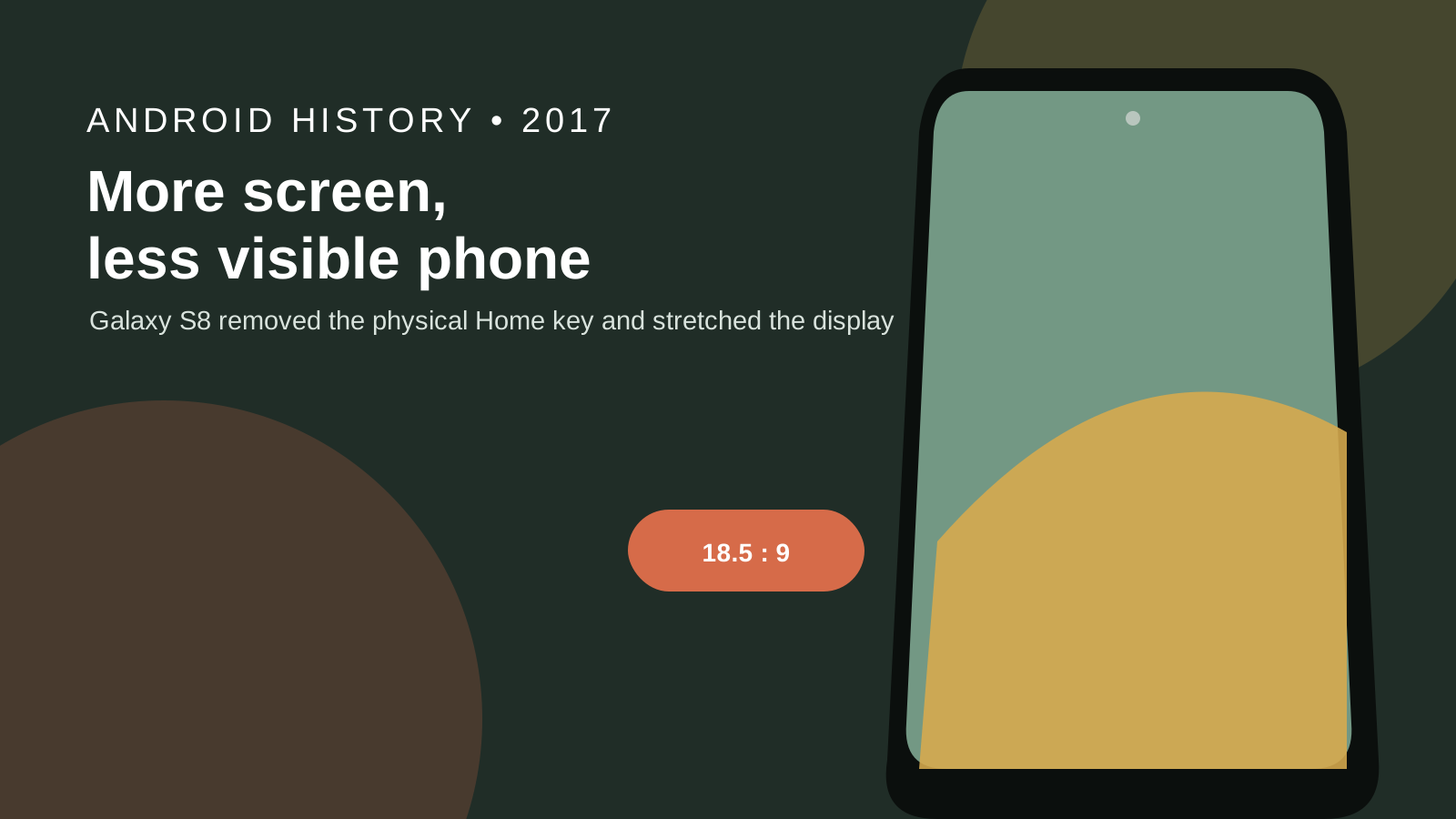
Samsung's Galaxy S8 used a tall 18.5:9 Infinity Display, narrow bezels and no physical Home key to help establish the modern all-screen phone shape.
Read guide
The first Pixel phones replaced Google's Nexus line in 2016, combining a Google hardware brand, Android software and the built-in Google Assistant.
Read guide
The 2016 Galaxy Note7 recall, production stop and 2017 battery investigation show how smartphone safety failures are identified, communicated and prevented.
Read guide
Android 7.0 Nougat added practical multitasking and redesigned the update process on new devices, while strengthening encryption and background security.
Read guide
Android 6.0 Marshmallow changed how apps request sensitive permissions, reduced idle battery use and standardized fingerprint authentication in 2015.
Read guide
Google's Nexus 5X and Nexus 6P paired Android 6.0 with USB-C, rear fingerprint sensors and a shared camera strategy, previewing Android hardware trends.
Read guide
Android Pay brought tokenized NFC payments to compatible Android phones in 2015 and linked contactless checkout with Android's emerging fingerprint support.
Read guide
Android 5.0 Lollipop introduced Material Design, the ART runtime, 64-bit support and a broader multi-screen vision that reshaped Android in 2014.
Read guide
Android One combined reference hardware, current Google software and connectivity support to improve entry-level smartphones, beginning in India in 2014.
Read guide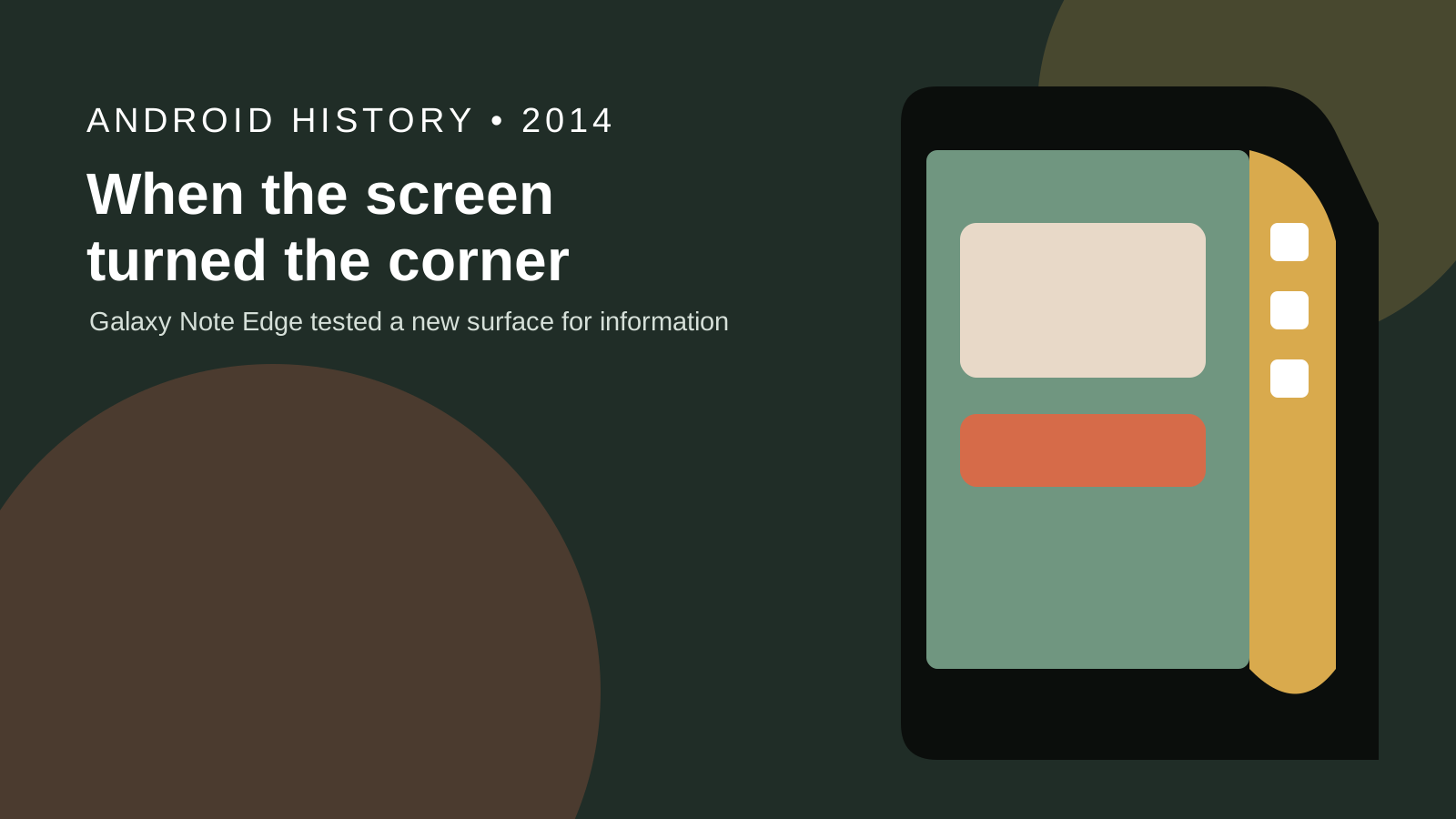
Samsung's 2014 Galaxy Note Edge wrapped a functional display around one side of the phone, testing ideas that later influenced curved-screen design.
Read guide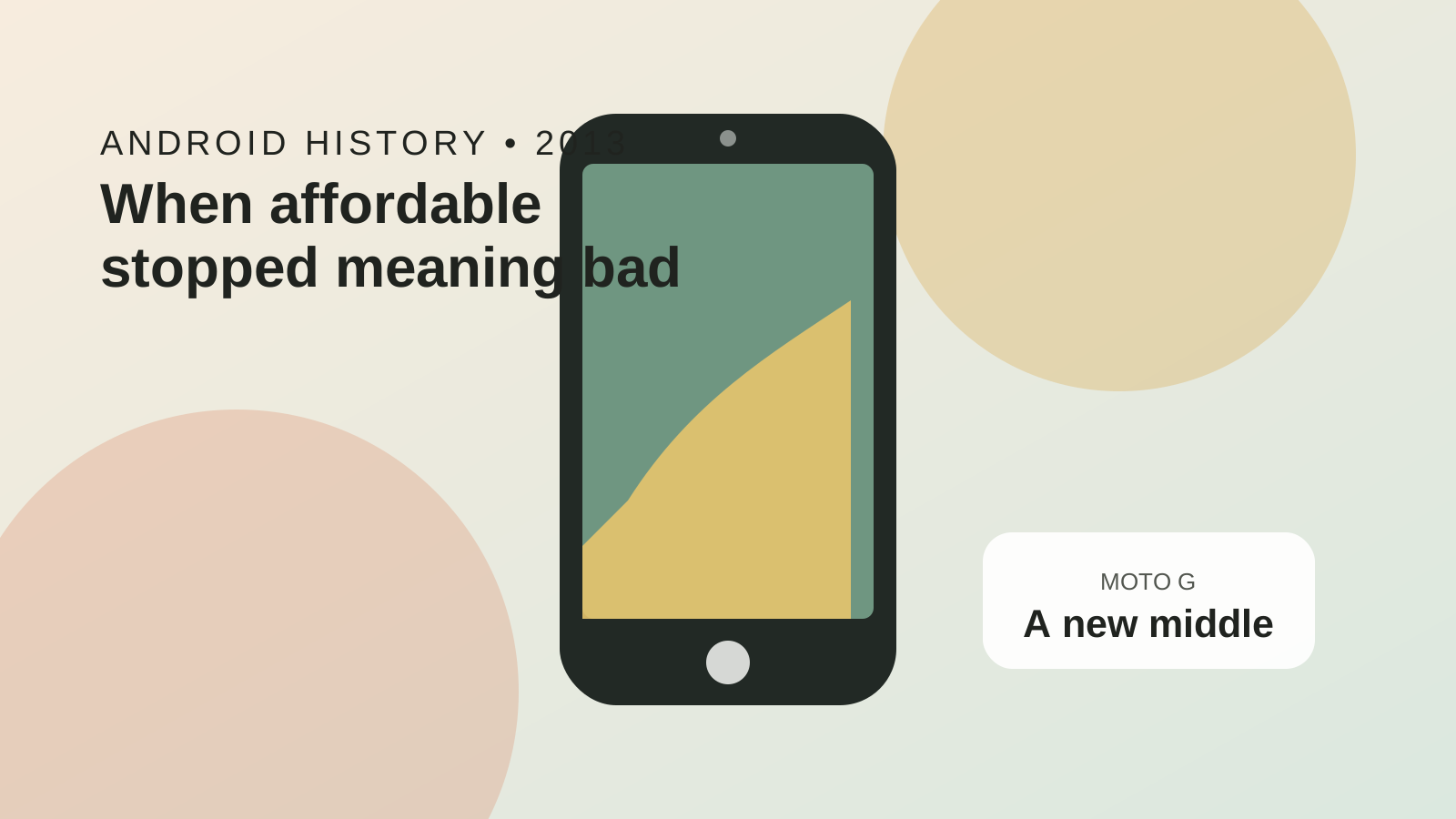
The 2013 Moto G showed that an affordable Android phone could deliver a sharp screen, capable performance and current software without feeling disposable.
Read guide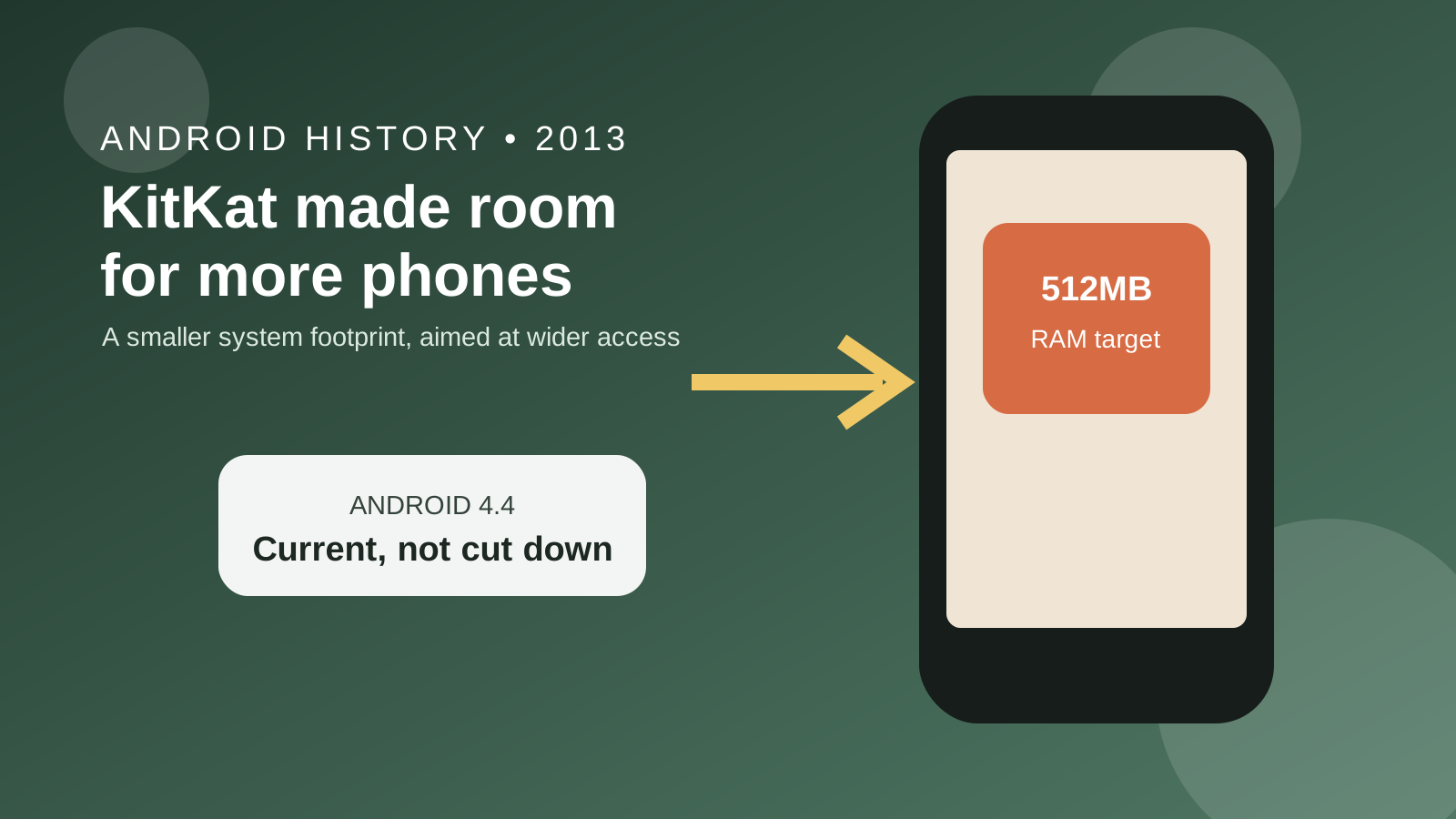
Android 4.4 KitKat reduced the platform's memory footprint so current Android software could reach 512MB devices and a broader range of buyers.
Read guide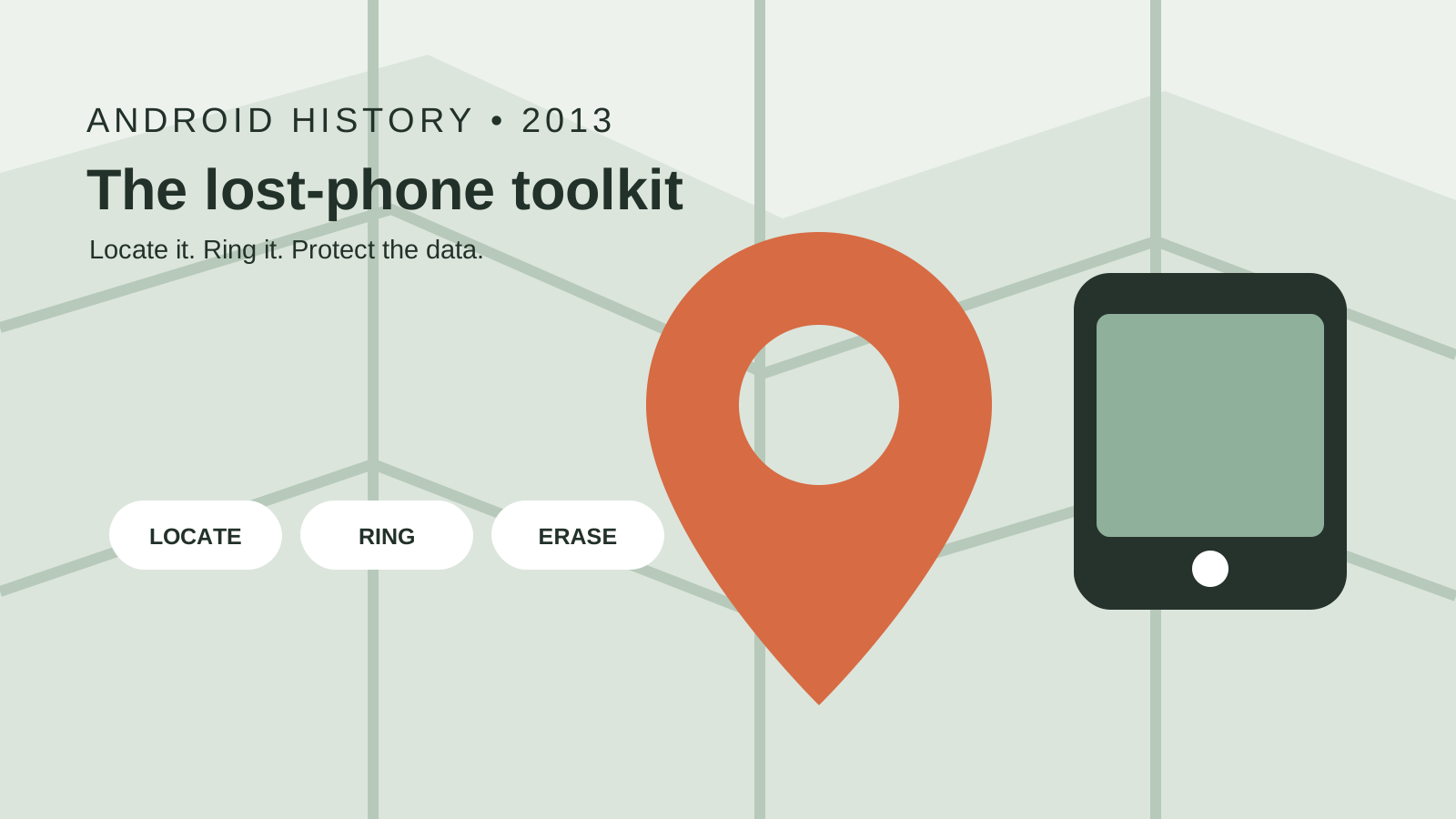
Android Device Manager brought remote location, ringing and data erasure to a broad range of Android phones in 2013, shaping today's recovery tools.
Read guide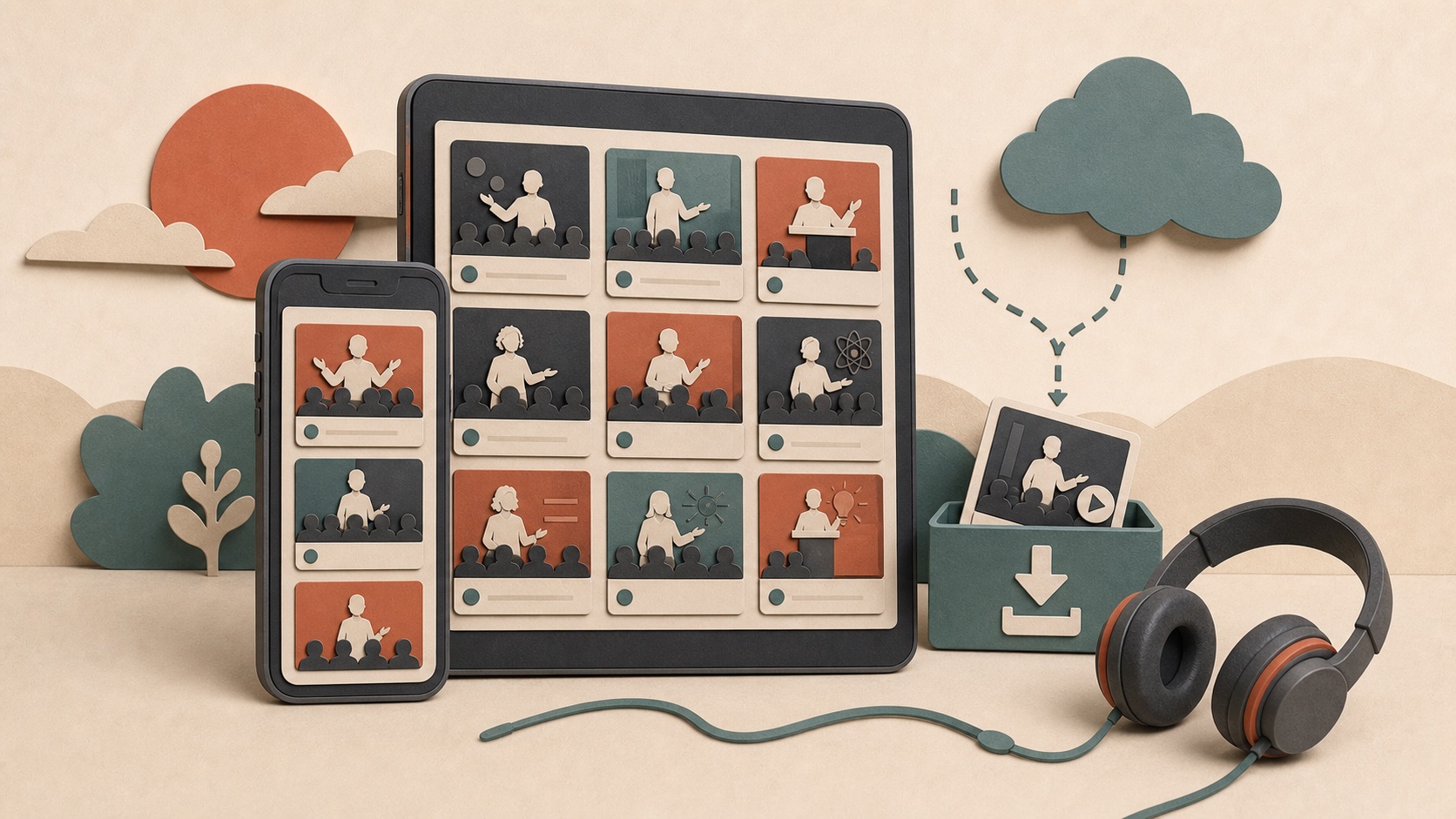
A restored look at TED's 2012 Android app launch, including offline viewing, audio streaming, search and support for phones and tablets.
Read guide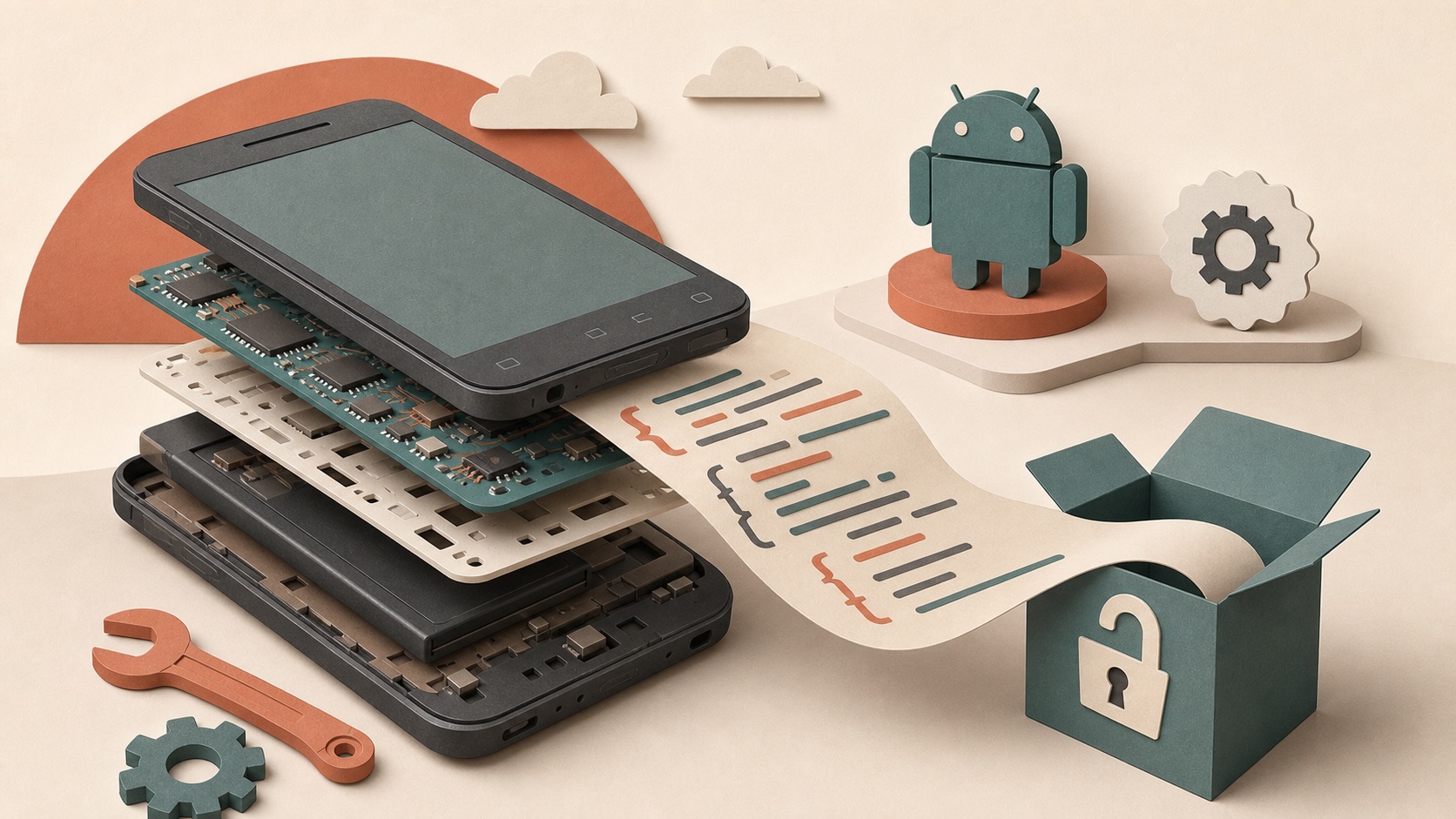
A restored explanation of HTC's December 2010 Android 2.1 source release for the EVO 4G and why kernel source mattered to developers.
Read guide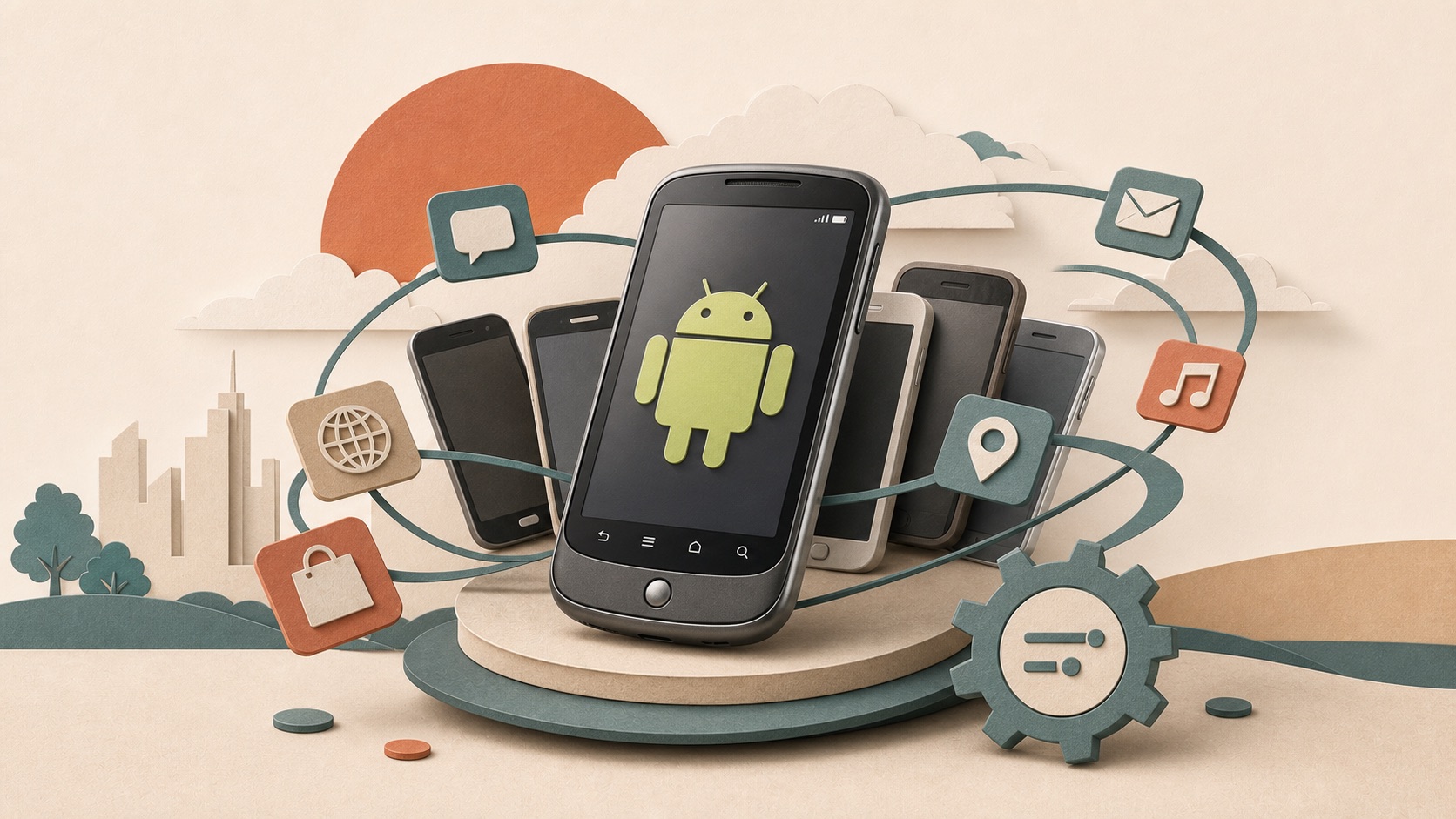
A restored overview of Google Android in January 2010, covering the Nexus One, Android 2.1 SDK and the platform's expanding device ecosystem.
Read guide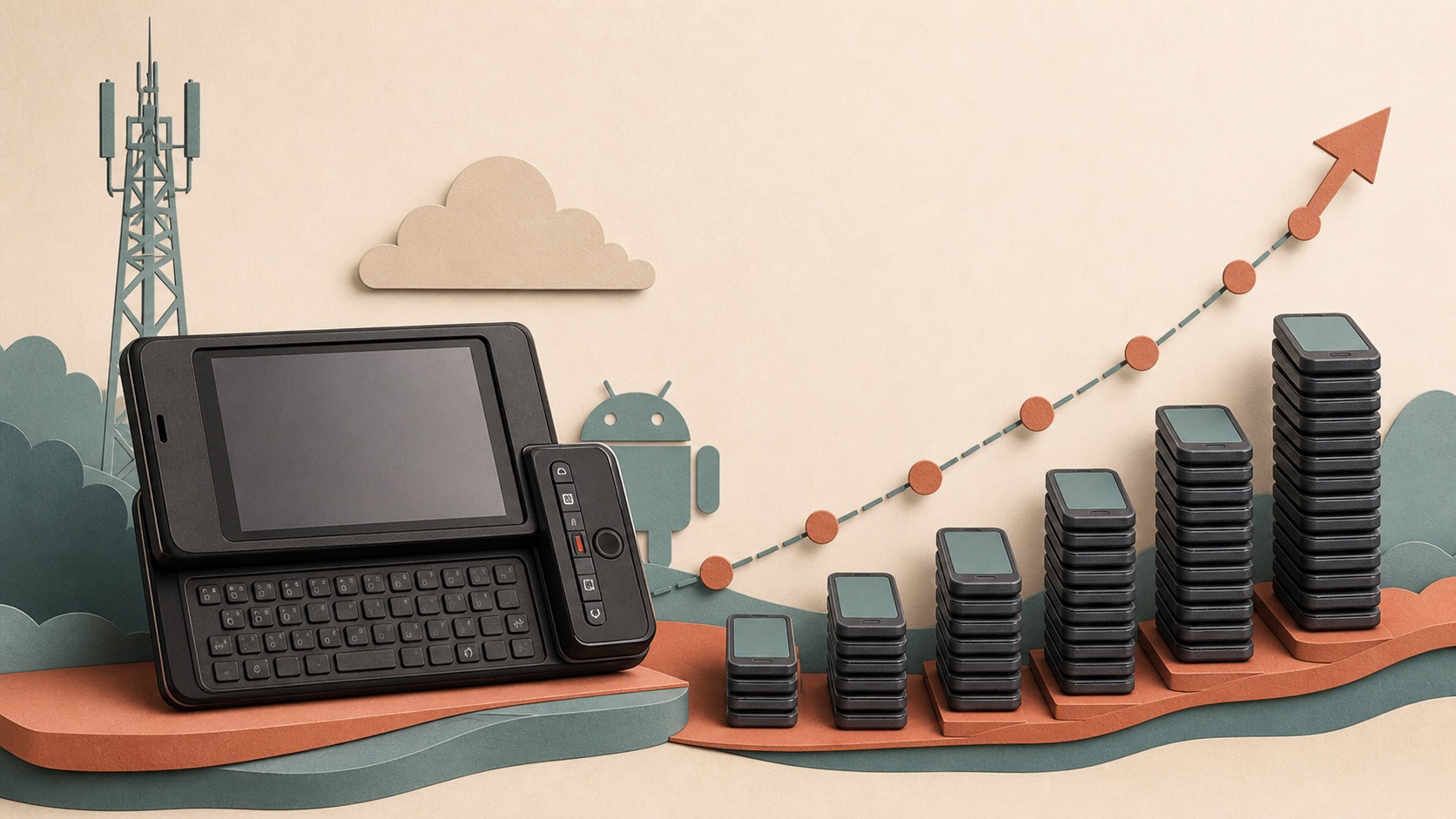
A restored analysis of the 2009 Motorola Droid sales forecast, Verizon's launch push and what the device meant for early Android adoption.
Read guide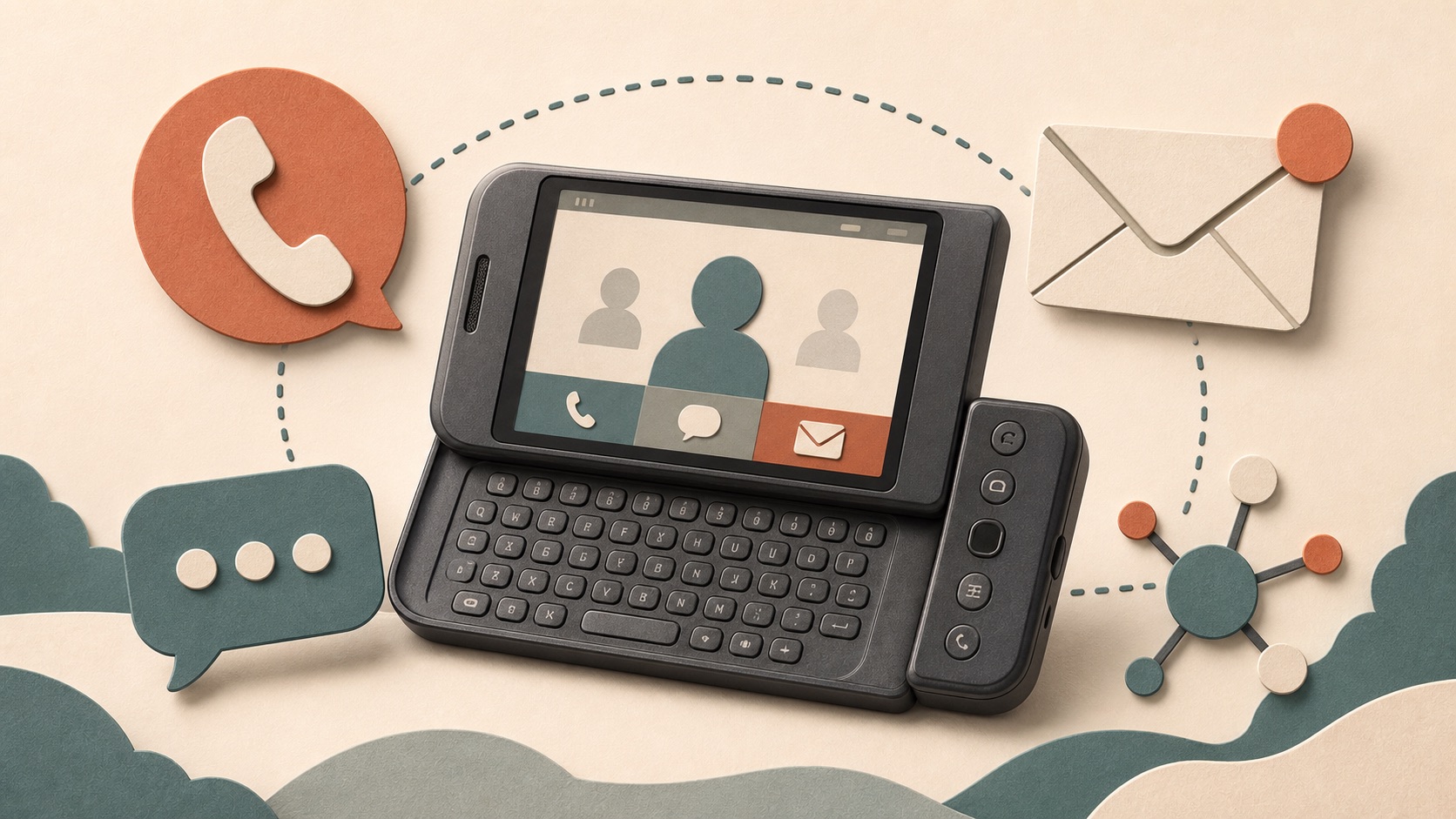
A restored account of D2 Technologies demonstrating its mCUE VoIP and unified communications software on the Android-powered HTC G1.
Read guide