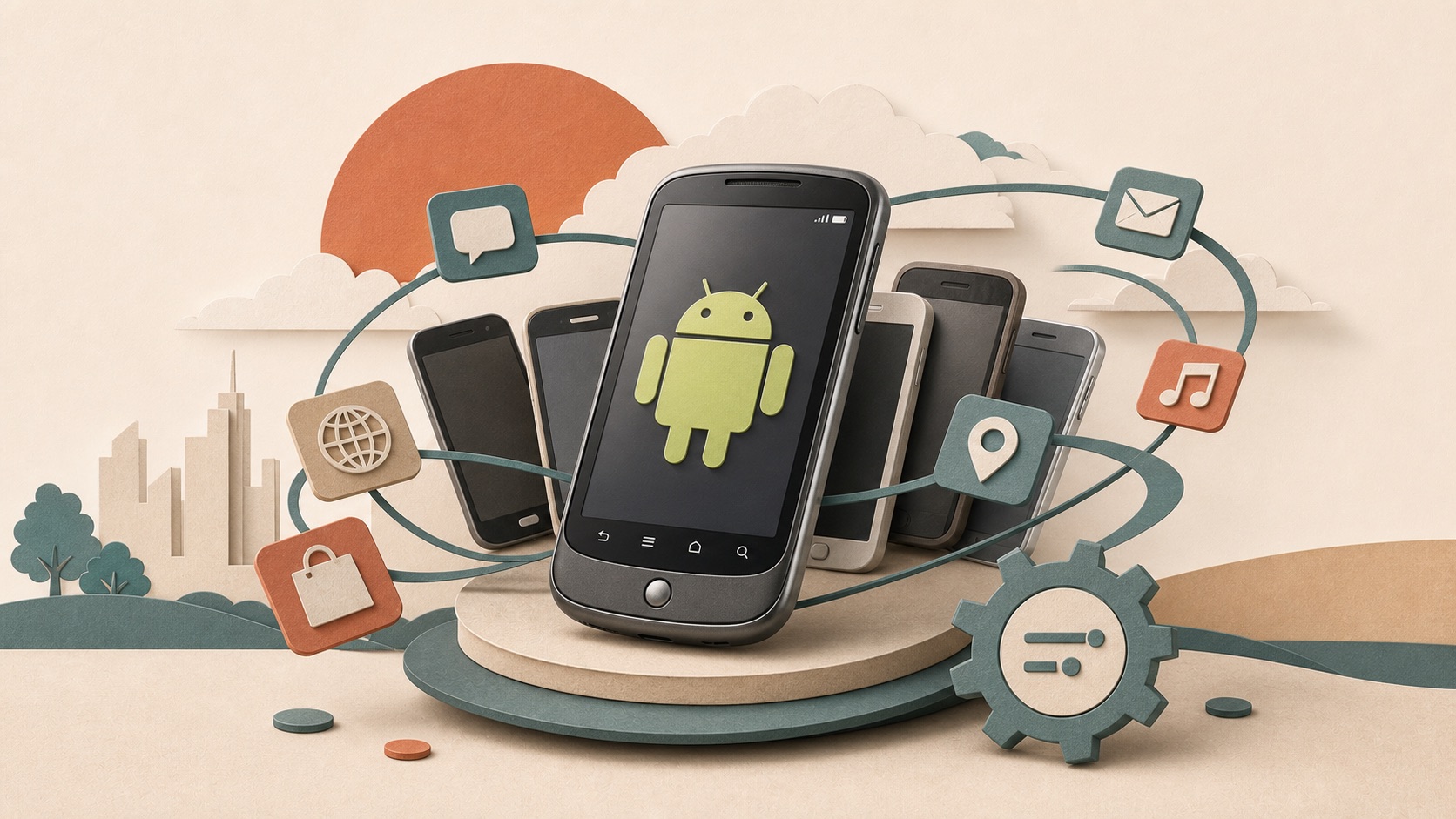
Archive update: January 2010 was a defining month for Google Android. The HTC-built Nexus One put Google’s own software vision into flagship hardware, while the Android 2.1 SDK gave developers access to the platform version shipped on the phone. Together they established the pattern later Nexus and Pixel devices would follow: new hardware demonstrating a new Android release.
What was new about Android 2.1?
Android 2.1 was an Eclair release identified as API level 7. Google published the SDK component on January 11, 2010 so developers could build and test apps against the new platform behavior. A Nexus One USB driver was also made available through the SDK Manager.
The release is remembered for features such as live wallpapers and broader voice-input support, but its long-term importance was compatibility. Google’s Android 2.1 Compatibility Definition documented requirements device makers had to meet, helping applications behave consistently across hardware from many vendors.
What did an SDK release give Android developers?
The software development kit was the practical bridge between a platform announcement and an application that could run on the new release. It supplied the API definitions, documentation and emulator support developers needed to compile and test against Android 2.1. API level 7 gave software a precise way to identify the platform capabilities it expected instead of relying only on the consumer-facing “Eclair” name.
That mattered because a developer could not assume every active phone would move to Android 2.1 immediately. An app could declare a minimum platform level, avoid calling newer APIs on older devices or provide a fallback experience. Testing still required judgment: an emulator could reproduce platform behavior, but physical phones differed in performance, screen design, storage and vendor software.
The Nexus One driver addressed another everyday development need. A computer had to recognize the phone before a developer could install and debug a build over USB. Small pieces of tooling like a driver receive less attention than a new interface feature, yet they determine whether developers can use new hardware in a repeatable workflow.
Why did the Compatibility Definition matter?
Android’s openness allowed many companies to build devices, but an application platform only works when “Android compatible” has a usable baseline. The Compatibility Definition described requirements a device implementation was expected to satisfy. Along with testing, it helped protect assumptions that app developers made about APIs and system behavior.
This did not make every phone identical. Manufacturers could still choose different processors, displays, cameras, keyboards and interface designs. Carriers could add services and influence update schedules. Compatibility was about preserving a common application target within that variety, not removing product differentiation.
The tension is central to Android history. More hardware partners expanded choice and distribution, while more variation increased the cost of testing and support. The January 2010 SDK and compatibility materials show Google working on both sides of that equation: introducing new capabilities while documenting the rules needed to keep the ecosystem coherent.
Why was the Nexus One important?
The Nexus One was manufactured by HTC and released as a closely coordinated Google device. It used a 1GHz Qualcomm Snapdragon processor and a 3.7-inch OLED display—flagship specifications for the period—and launched with Android 2.1.
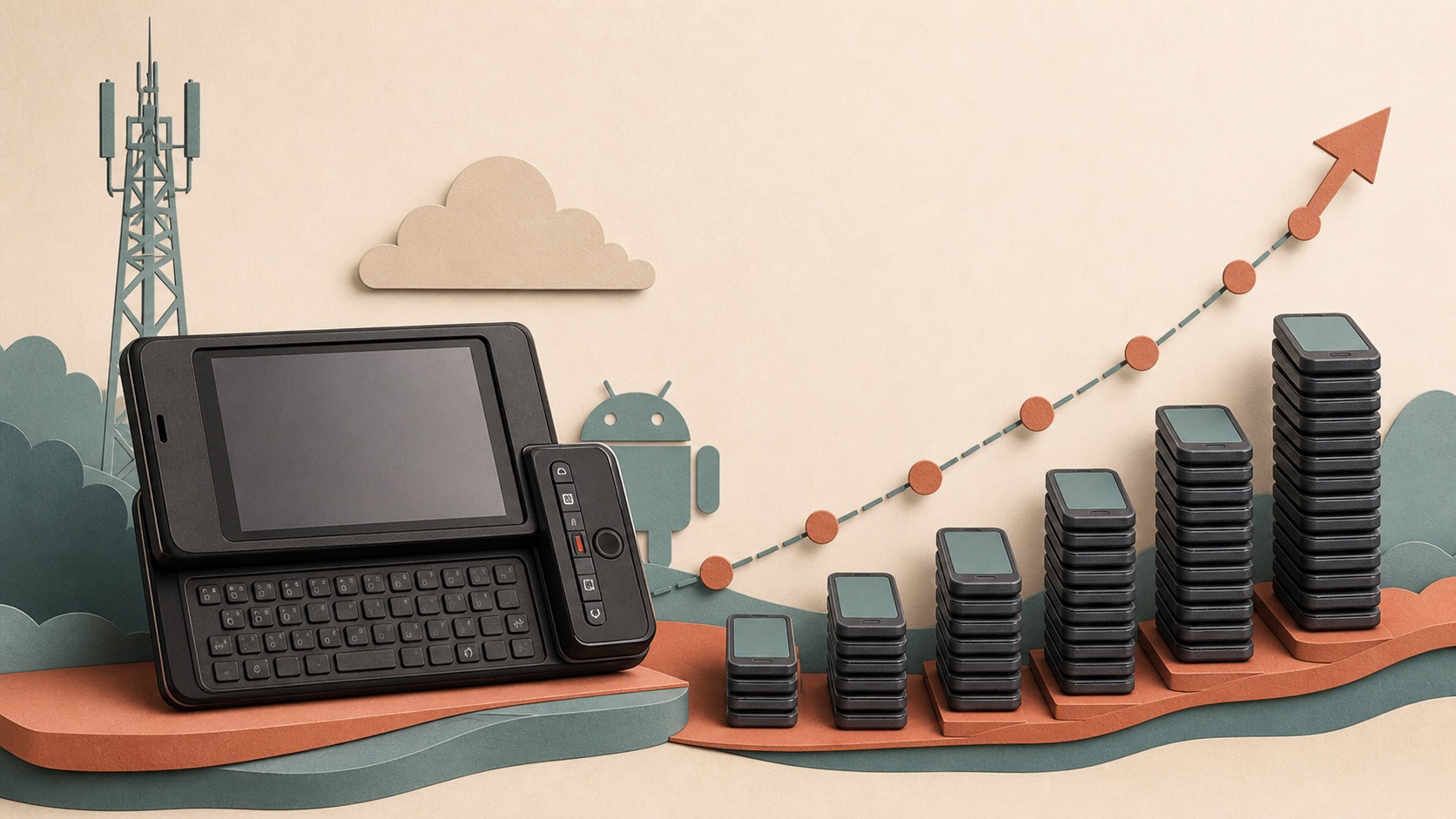
It was not the first Android phone; the HTC Dream/T-Mobile G1 holds that place. Instead, Nexus One served as a reference point for what a high-end Android phone could look like when hardware and software were developed in close partnership.
Was the Nexus One a reference phone or a mass-market phone?
It could be understood as both, but the reference role is the more durable historical idea. For consumers, it was a purchasable flagship with prominent hardware and the newest Android release. For developers and manufacturers, it was a concrete example of how Google wanted Android 2.1 to look and behave on capable hardware.
That close coordination shortened the distance between the operating-system team, the SDK and the device used to demonstrate them. It made new software features easier to explain because reviewers could see them on a named phone. It also created a baseline for comparing other devices that used different interfaces or received the platform later.
Reference hardware does not automatically dominate retail. Carrier reach, pricing, availability and customer support still shape sales. The original Motorola Droid, for example, benefited from Verizon’s broad U.S. channel. Nexus One’s broader influence came from establishing a recurring idea: Google could use selected hardware to present an unambiguous version of its current Android vision.
How different was the Android market in early 2010?
Android was expanding rapidly but remained fragmented across carriers, screen sizes and manufacturer interfaces. Buyers could not assume that every phone would receive the same update at the same time. That made the Nexus program appealing to developers and enthusiasts who wanted earlier access to Google’s platform releases.
| 2010 concern | Modern equivalent |
|---|---|
| Delayed Android version updates | Security patch and support-window policies |
| Carrier-specific hardware | Regional band and certification differences |
| Manufacturer interface changes | Vendor skins and ecosystem services |
| App compatibility across devices | Form-factor and performance testing |
How did January 2010 connect the early Android story?
The Nexus One did not appear in isolation. In April 2009, D2 Technologies had already used the HTC G1 to demonstrate VoIP and unified communications. By November, Verizon and Motorola had turned Android into a much more visible U.S. consumer proposition with the original Droid launch.
Google’s January release joined those two directions: a developer-facing SDK and a consumer-facing reference phone arrived together. The later HTC EVO 4G source release also shows the ecosystem tension that followed—open platform components still had to move through individual manufacturers and carrier product cycles.
Why were updates already becoming a buying issue?
When hardware partners customize a platform, a new release must move through device-specific development, testing and sometimes carrier approval. A phone can remain functional while falling behind the newest APIs or security work. Enthusiasts in 2010 often discussed version numbers as feature milestones, but the underlying question was how quickly and reliably a particular model would receive maintained software.
That question remains useful even though Android 2.1 itself is obsolete. A current buyer should look for a published support window, the frequency of security patches, regional firmware differences and whether enterprise or carrier variants follow the same schedule. The labels have changed; the need to connect hardware value with software support has not.
What should readers take from this archive?
The page preserves the meaning of the old linked URL rather than reconstructing an unavailable word-for-word article. It shows how Android’s open ecosystem and Google’s reference hardware strategy developed together. For current purchase decisions, compare support duration and regional compatibility—not Android 2.1 features. Continue through the early Android timeline or use our current Android phone guides.