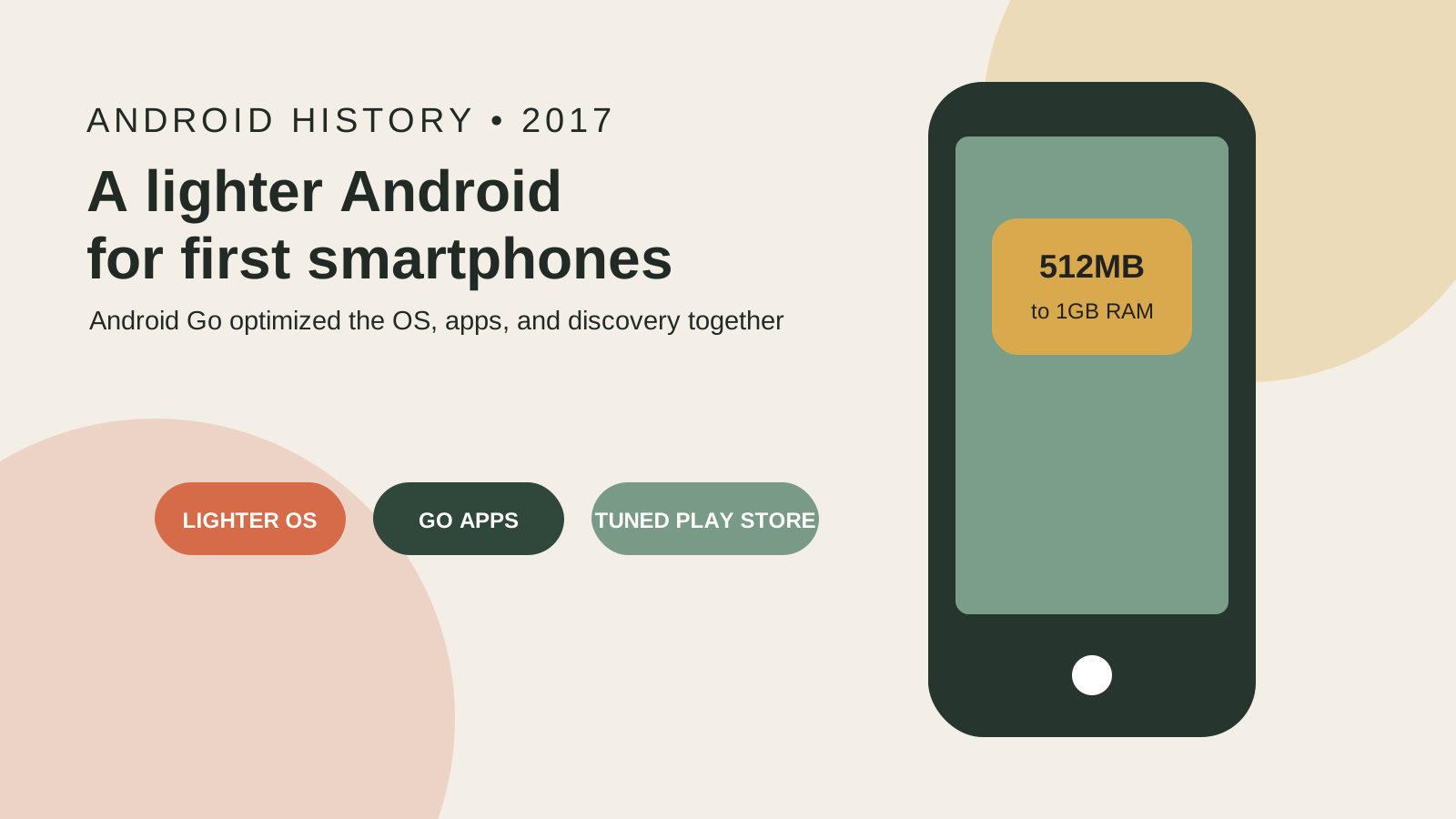
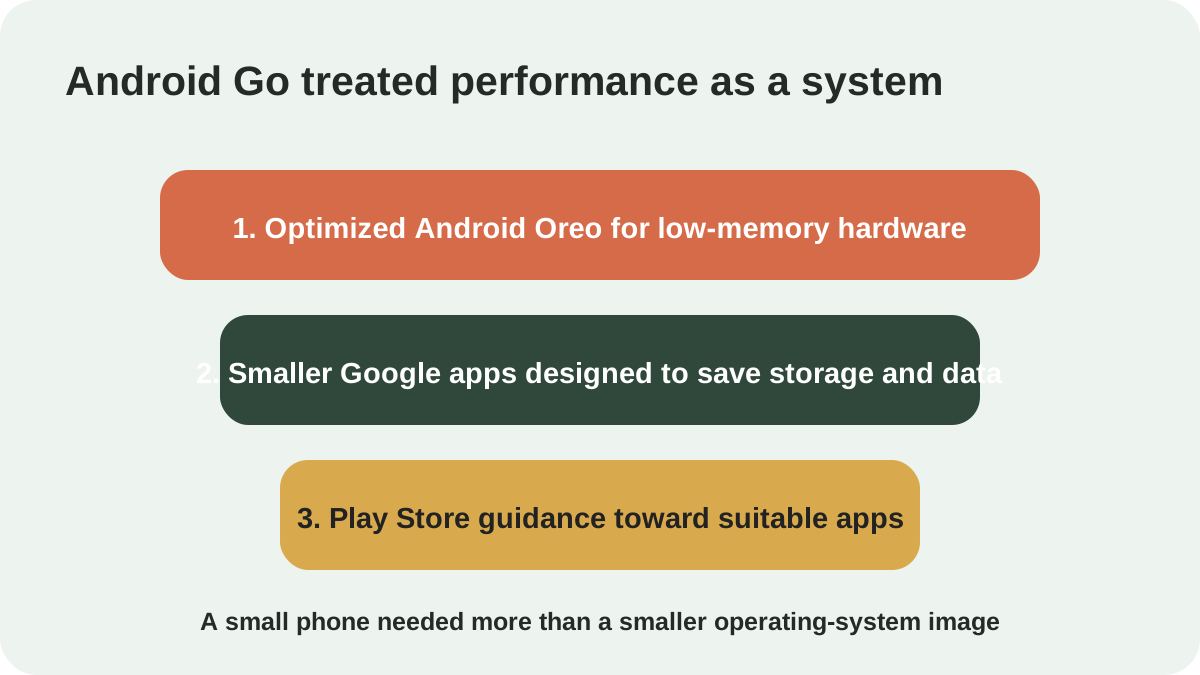
Google announced Android Oreo Go edition as ready on December 5, 2017, for release with Android 8.1. The configuration targeted phones with 512MB to 1GB of RAM and combined three kinds of optimization: a lighter operating system, smaller Google apps and a Play Store experience that highlighted software suited to entry-level hardware.
Android Go had been previewed at Google I/O in May. The December announcement turned the idea into a platform manufacturers could use for new devices. Google said the goal was to make a fully functioning smartphone available to more people, not to create a feature phone with an Android label. The official Go launch post focused on memory, storage and mobile-data constraints together.
What exactly was Android Go edition?
Android Go was a configuration of the current Android release for entry-level hardware. Android Oreo devices in the target memory range would use Go optimizations, while retaining Android’s core application platform. It was not a completely unrelated operating system and did not use a separate app file format.
The system tuned memory use and performance, and it included data-saving features by default. Google also adjusted storage behavior because a phone with 8GB of internal space could lose a large share to the OS and preinstalled apps before the owner saved a photo.
The target described a class of devices, not a promise that all 1GB phones would feel identical. Processor, flash speed, display, radio, manufacturer software and app choices still determined real performance.
That distinction also changed how an entry phone should be judged. The useful question was not whether it matched a flagship benchmark, but whether calls, messages, navigation, photos and a small group of essential apps remained reliable within the device’s real memory and storage budget.
Why was optimizing the operating system not enough?
A smaller platform can boot with less memory, but a large browser, maps app or video client can still exhaust RAM, storage and data. Google therefore treated the software bundle as part of the design. Go versions of Google apps were intended to install smaller, use fewer resources and offer features useful with limited connectivity.
Play Store discovery formed a third layer. It highlighted apps designed to run well on entry-level devices while retaining access to the broader Android app catalog. Developers received guidance for reducing download size, memory use and data consumption.
| Android Go layer | 2017 approach | Constraint addressed |
|---|---|---|
| Operating system | Oreo configured for low-memory devices | 512MB to 1GB RAM and limited storage |
| Google applications | Smaller Go editions and data-aware behavior | App size, background use and mobile data |
| Play Store | Recommendations for suitable lightweight apps | Discovering software that would run acceptably |
| Developer guidance | Build for entry-level performance and offline conditions | Preventing one oversized app from defeating system gains |
The three layers made Android Go more than a low-resolution theme or a single memory switch.
How was Android Go different from Android One?
Android One began in 2014 as a device partnership program. Google worked with manufacturers on reference hardware and a Google-designed software experience, with an emphasis on current updates. Over time, Android One appeared across a wider range of prices.
Android Go was a software configuration aimed specifically at resource- constrained phones. A manufacturer could build a Go device without branding it as Android One, and an Android One phone did not automatically run Go edition. One concerned a device program and update experience; Go concerned how the OS, apps and store behaved with limited resources.
The distinction matters because both were described as serving more people. Shared purpose does not make their technical or commercial structures the same. Our history of Android One’s Indian launch explains the earlier program.
What compromises could Android Go not remove?
Low memory still limits multitasking. A demanding app may reload after the user switches away, complex webpages can struggle and games designed for powerful graphics remain unsuitable. Limited storage fills quickly with photos, offline video and messaging media. Slow flash storage or a weak processor can make even a well-optimized system feel delayed.
Go also depended on developers respecting the same constraints. If essential services offered only large, data-hungry apps, system optimization could not solve the entire experience. Lite applications sometimes omitted features, and regional availability varied.
Affordability extended beyond hardware. Data pricing, repair access, battery quality, update policy and local network coverage determined whether the phone remained useful. Android Go was an important tool, not a complete answer to the digital divide.
How did the Go program evolve after 2017?
The first consumer devices arrived in 2018, and Google continued updating the Go edition with later Android releases. Memory thresholds expanded as entry hardware improved, and Go apps gained features while trying to preserve small downloads and efficient operation.
In 2019, Google said Android 10 Go edition improved launch speed and introduced Adiantum encryption for devices that lacked specialized cryptographic hardware. Its entry-level Android update also reported broad manufacturer and country participation. Those later facts show growth; they should not be treated as capabilities of the December 2017 release itself.
Android’s general platform also became more efficient and modular. Go remained useful because entry-level constraints moved rather than disappeared: apps and media grew as hardware improved.
Why does Android Go still matter today?
Android Go made a simple point concrete: an accessible smartphone experience must be designed for its actual resource budget. Installing the same software bundle on every phone and hoping cheaper hardware catches up produces slow, storage-starved devices. Coordinated optimization can preserve essential functions without pretending the hardware is a flagship.
For buyers, the lesson is to look beyond the Go label. Check available storage after system files, app compatibility, security-update duration, network bands, battery capacity and the performance of the specific model. A lightweight OS cannot compensate for an absent support policy.
In the Android history timeline, Android Go continues the low-memory ambition of KitKat with a more complete stack. It treated the operating system, core apps and software discovery as one experience—an approach that remains relevant wherever a phone is someone’s first and only computer.